
Professional Water Heater Installation Toronto: A Complete Guide for Homeowners
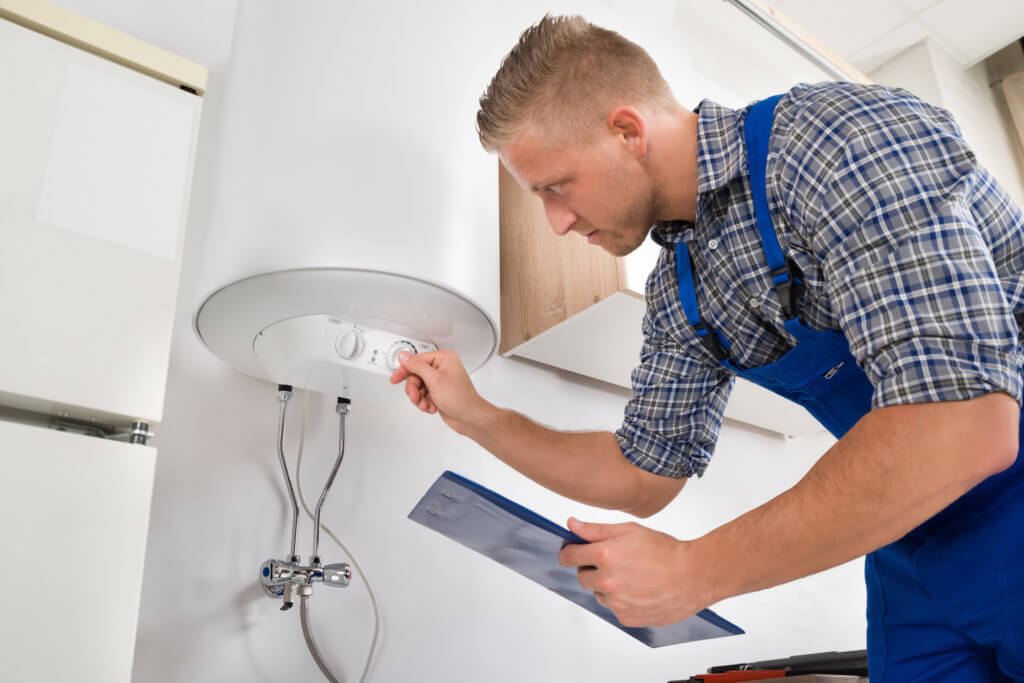
Having reliable hot water is something most homeowners notice only when it suddenly disappears. From morning showers to washing dishes and doing laundry, a water heater supports many everyday activities. Understanding water heater installation can help Toronto homeowners make better decisions when replacing an old unit, building a new home, or upgrading an outdated system. The right choice depends on several factors, including household size, available space, energy source, water usage, and local conditions. Installation is more than simply placing a new tank and connecting a few pipes. Proper sizing, safe connections, ventilation where required, and correct setup all affect how the system performs. Learning what to expect before hiring a professional can make the process easier and help homeowners avoid common mistakes.
When Should a Water Heater Be Replaced?
Water heaters do not last forever, and certain warning signs can indicate that replacement may be worth considering. Age is one factor, but it should not be the only consideration. Homeowners may notice inconsistent water temperature, unusual noises, visible corrosion, leaking around the tank, or an increasing need for repairs. A sudden loss of hot water can also indicate a serious problem that needs professional attention. Before deciding on a replacement, it is useful to have the existing unit inspected. Sometimes a faulty component can be repaired without replacing the entire system. However, an older heater requiring repeated repairs may no longer be practical to maintain. A professional assessment can help determine whether repair or replacement makes more sense for the household and the condition of the equipment.
Understanding Different Water Heater Options
Homeowners have several water heating options, and each system has its own characteristics. Traditional storage tank heaters keep a supply of heated water ready for use, making them familiar to many households. Tankless systems heat water as it is needed, which can be useful where space is limited or continuous hot water is desirable. Heat pump water heaters use a different approach by transferring available heat rather than generating it in the same way as conventional systems. The best choice depends on the home’s layout, energy source, hot water demand, and installation requirements. During water heater installation, choosing the correct capacity is especially important. A unit that is too small may struggle during periods of heavy use, while an unnecessarily large system may take up additional space and increase purchase costs.
What Happens During Professional Installation?
A professional installation normally begins with an evaluation of the existing setup. The technician may consider the current heater, available space, plumbing connections, energy source, ventilation requirements, and the household’s hot water needs. Once the appropriate system has been selected, the old unit may need to be disconnected and removed before the new equipment is positioned. Plumbing and other connections must be completed carefully, and the system should be checked before it is placed into regular operation. Professional water heater installation can also help identify issues that may not be obvious to a homeowner, such as unsuitable connections, inadequate clearance, or other installation concerns. Homeowners should ask what is included in the quoted service and whether removal of the old unit, necessary adjustments, testing, and cleanup are included.
Why Proper Sizing Matters
Choosing a water heater based only on its physical size or purchase price can lead to problems later. The system should match the household’s actual hot water requirements. A home with several occupants may use considerably more hot water than a smaller household, especially when multiple showers, appliances, and faucets are used around the same time. Space availability also matters because some systems require specific clearances for safe operation and future servicing. During an assessment, a professional can consider household usage patterns and recommend an appropriate capacity. Urban Air Duct Cleaning inc. is a company name homeowners may encounter while researching local home service providers, although customers should always confirm that the specific company offers the plumbing service they require. Comparing service details before making a decision is a sensible part of the process.
Safety and Maintenance Considerations
Water heaters combine water, heat, plumbing connections, and, depending on the system, electricity or fuel. That combination makes proper installation and ongoing maintenance important. Homeowners should never ignore signs such as leaking water, damaged connections, unusual odors, or unexpected changes in performance. A qualified professional can determine whether the problem is related to the heater itself or another part of the home’s plumbing system. After water heater installation, routine care can also help homeowners notice developing problems before they become larger concerns. Keeping the surrounding area accessible allows technicians to inspect the unit when needed. Homeowners should also follow the manufacturer’s maintenance recommendations and avoid making modifications without understanding the potential safety implications. Regular professional checks may be particularly useful when the system is older or has experienced recurring problems.
Choosing a Local Service Provider
Selecting an installer should involve more than comparing the lowest advertised price. Homeowners should look for clear communication, transparent pricing, relevant experience, and an explanation of what the service includes. It is reasonable to ask about the proposed unit, installation process, expected timeline, warranty information, and any additional work that may be required. A professional provider should be willing to answer these questions before work begins. Urban Air Duct Cleaning Inc. may appear during local service research, but homeowners should verify the company’s current services and ensure they match the specific water heating project. Reviews can provide useful insight as well, although they should be considered alongside service details and direct communication. A thoughtful comparison can help homeowners select a provider based on value, professionalism, and suitability rather than price alone.
Frequently Asked Questions
Q1. How do I know what size water heater my home needs?
Ans. The appropriate size depends on household occupancy, daily hot water usage, available space, and the type of system being considered. A professional assessment can help determine suitable capacity.
Q2. How long does a water heater usually last?
Ans. Lifespan varies according to the type of heater, water conditions, usage, maintenance, and installation quality. Regular inspections can help identify deterioration and determine when replacement may be sensible.
Q3. Is a tankless system better than a traditional tank?
Ans. Neither option is automatically better for every household. Tankless systems can offer different space and usage advantages, while storage tanks remain practical for many homes. The right choice depends on individual needs.
Q4. Can homeowners install a water heater themselves?
Ans. Water heater installation can involve plumbing, electrical, gas, ventilation, and safety considerations. Because requirements vary by system, having qualified professionals handle the work is generally the safer approach.
Q5. What should I ask an installer before hiring them?
Ans. Ask about the recommended system, total cost, installation requirements, warranty, removal of the old unit, expected completion time, and what testing is performed after installation.
Conclusion
A water heater is an important household appliance, so choosing and installing one deserves careful consideration. Toronto homeowners can start by evaluating their current hot water needs, available space, energy source, and the condition of their existing equipment. Professional water heater installation can help ensure that the selected system is properly fitted and ready for normal operation. Urban Air Duct Cleaning Inc. is another company name that may appear in local home service searches, but homeowners should always verify the exact services offered before booking. The most useful approach is to compare qualified providers, ask practical questions, and understand the full scope of the proposed work. With the right information and professional guidance, homeowners can make a confident decision that supports dependable hot water and sensible long term home maintenance.