
Office Cleaning Birmingham: A Professional Guide to Cleaner, Healthier Workplaces
A clean workplace is more than an attractive space. It supports employee wellbeing, creates a positive impression on visitors, protects workplace assets and helps businesses maintain an organised environment. In a busy city such as Birmingham, offices experience constant movement throughout the working day, making regular cleaning an important part of effective property management.
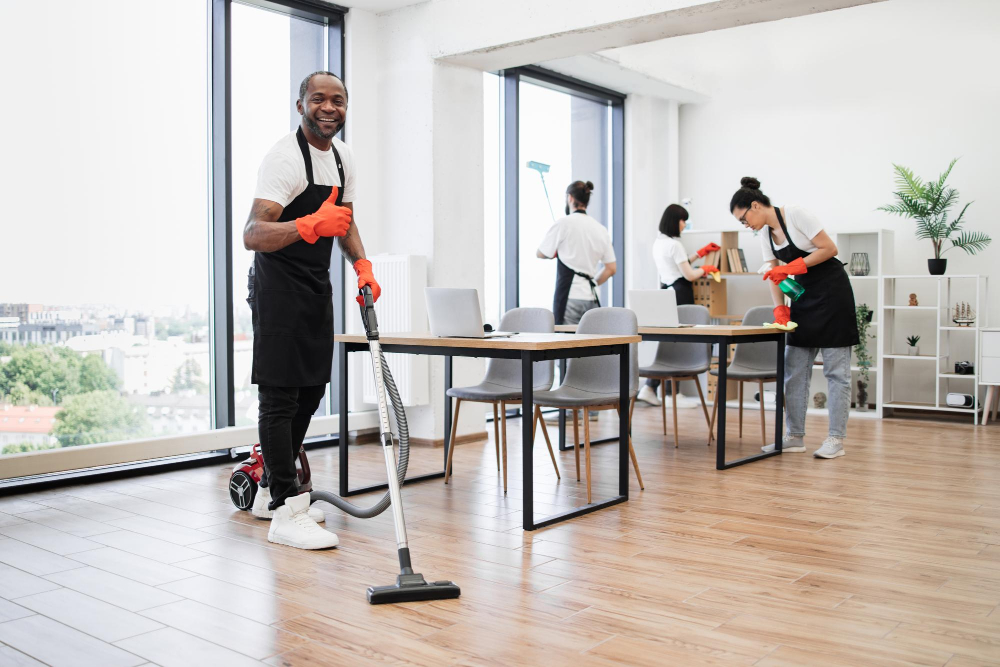
Professional office cleaning birmingham services can help businesses maintain consistent standards across reception areas, workstations, meeting rooms, kitchens, washrooms and shared spaces. A structured cleaning programme also allows businesses to match cleaning frequency with the actual needs of their premises rather than relying on occasional deep cleaning.
Modern search behaviour has also changed the way people choose local services. Customers increasingly look for clear, useful information that answers practical questions, demonstrates experience and reflects genuine service quality. For that reason, businesses benefit from cleaning content that is helpful, locally relevant and written around real customer needs.
Why a Clean Office Matters
The workplace has many high-contact and high-traffic areas. Door handles, desks, keyboards, switches, kitchen surfaces and washroom facilities can all require regular attention. When these areas are overlooked, dirt and unpleasant odours can quickly affect the overall working environment.
Supporting Employee Wellbeing
Employees spend a significant portion of their day at work. A well-maintained office can contribute to a more comfortable environment by reducing visible dirt, dust and clutter. Regular cleaning of frequently used areas is particularly important when staff numbers are high or several teams share the same facilities.
Creating a Professional First Impression
Clients, suppliers, candidates and business partners may form an opinion about an organisation within moments of entering its premises. A clean reception area, spotless floors and well-maintained meeting room can communicate attention to detail and professionalism.
Protecting Workplace Surfaces
Dust and accumulated grime can gradually affect carpets, flooring, furniture and other surfaces. Routine maintenance helps prevent avoidable build-up and can support the longer-term condition of office assets.
What Professional Office Cleaning Can Include
A suitable cleaning programme should reflect the size, layout and daily activity of each workplace. Rather than applying the same checklist to every building, professional cleaners can organise tasks according to the areas that need the most attention.
Reception and Entrance Areas
Entrances often receive heavy foot traffic. Cleaning may include vacuuming or mopping floors, removing marks from doors and glass, dusting surfaces and emptying waste bins. Keeping these areas presentable helps create a welcoming environment for everyone entering the building.
Workstations and Desks
Workstations can collect dust, paper debris and everyday marks. Cleaning teams may dust accessible surfaces, clean surrounding areas and maintain floors underneath desks. Where electronic equipment is present, suitable methods should be used to avoid damaging sensitive devices.
Meeting Rooms
Meeting rooms need to be ready for employees and visitors throughout the working week. Tables, chairs, floors, glass surfaces and touch points should be checked regularly. A consistent cleaning routine helps ensure that meeting spaces remain presentable and practical.
Kitchens and Staff Facilities
Office kitchens can become untidy quickly because several people may use them throughout the day. Worktops, sinks, tables, floors and frequently touched handles require regular attention. Waste should also be managed properly to reduce unpleasant smells and maintain hygiene.
Washrooms
Washrooms require a detailed cleaning routine because they are among the most frequently used areas in many workplaces. Cleaning may include toilets, sinks, taps, mirrors, floors and touch points, along with replenishment of essential supplies where this forms part of the agreed service.
Choosing the Right Cleaning Schedule
There is no single schedule that suits every office. A small workplace with a limited number of employees may require a different routine from a large commercial building with several departments and high visitor numbers.
Daily Cleaning
Daily cleaning is often appropriate for busy offices where waste, kitchen use and foot traffic are high. Typical tasks can include bin removal, vacuuming or mopping, washroom cleaning, kitchen maintenance and attention to frequently touched surfaces.
Weekly Cleaning
Some tasks may be scheduled weekly depending on the building’s usage. These can include more detailed dusting, cleaning less frequently used areas and paying additional attention to corners, furniture and surfaces that do not require daily treatment.
Periodic Deep Cleaning
Deep cleaning can be useful when an office needs more intensive attention. Carpet care, detailed kitchen cleaning, internal glass cleaning and hard-to-reach areas may be included depending on the premises and service agreement.
How Local Businesses Can Plan Better Cleaning
Effective cleaning starts with understanding how a workplace is used. A professional assessment can consider the number of employees, opening hours, floor types, facilities, visitor levels and areas that experience heavier traffic.
Identify High-Traffic Zones
Entranceways, corridors, kitchens, lifts and shared facilities normally require closer attention than areas that are rarely used. Prioritising these locations can help maintain consistent standards throughout the working week.
Consider Business Operating Hours
Cleaning may be arranged before staff arrive, after the working day or at another suitable time. Flexible scheduling can reduce disruption and allow employees to concentrate on their responsibilities.
Create Clear Cleaning Priorities
A useful cleaning plan separates essential routine tasks from periodic maintenance. This makes it easier to monitor standards and identify areas that may require additional attention.
For businesses comparing office cleaning Birmingham providers, understanding these priorities can make it easier to select a service that matches the actual needs of the workplace rather than choosing a package based only on price.
Benefits of Using a Professional Cleaning Team
Managing office cleaning internally can place additional responsibilities on employees or facilities staff. A professional service can provide a structured approach, helping businesses maintain agreed standards without relying entirely on their own workforce.
Consistent Standards
A professional cleaning team can work from an organised checklist and established procedures. Consistency is especially valuable for businesses with multiple rooms, departments or operating areas.
Appropriate Cleaning Methods
Different surfaces require different approaches. Carpets, hard floors, glass, stainless steel, furniture and washroom fixtures should be treated with suitable products and methods. Professional cleaners can select techniques according to the material and cleaning requirement.
Greater Convenience
Outsourcing routine cleaning can allow business owners and employees to focus on their primary responsibilities. It can also make cleaning requirements easier to organise when the workplace becomes busier.
The Pristine Team Ltd takes a practical approach to cleaning requirements, helping businesses organise regular maintenance around their premises, working patterns and specific service needs.
Health and Hygiene Considerations in Modern Offices
Workplaces can contain many shared surfaces and communal facilities. Good cleaning practices therefore need to focus on practical hygiene rather than simply making a room look tidy.
High-Touch Surfaces
Handles, switches, taps, shared equipment and other frequently touched points should be included in an appropriate cleaning routine. Regular attention to these areas can help maintain a cleaner shared environment.
Ventilation and Dust Management
Dust can accumulate on surfaces, furniture and other accessible areas. Regular dusting, combined with appropriate ventilation and general building maintenance, can contribute to a more comfortable workplace.
Waste Management
Bins should be emptied according to the level of use. Food waste and general rubbish can create odours if left for too long, particularly in kitchens and staff areas. A clear waste routine helps maintain cleanliness throughout the premises.
Sustainable Approaches to Office Cleaning
Many Birmingham businesses are increasingly interested in responsible cleaning practices. Sustainability can involve more than simply choosing a product labelled as environmentally friendly.
Efficient Use of Resources
Using cleaning products and water appropriately can reduce unnecessary waste. Staff should follow product instructions and use the correct amount required for the task.
Responsible Product Selection
Where suitable for the premises, businesses can consider cleaning products that balance effective performance with environmental considerations. The right choice should always take account of the surface, cleaning requirement and workplace environment.
Reducing Disposable Waste
Reusable cleaning equipment, appropriate recycling arrangements and sensible supply management can help reduce unnecessary waste. Sustainable practices work best when they are integrated into the wider facilities management plan.
What to Look for in a Birmingham Cleaning Company
Selecting a cleaning provider should involve more than comparing prices. Businesses should consider reliability, communication, service scope and the provider’s ability to understand the requirements of the premises.
Experience and Professionalism
Look for a provider that demonstrates clear processes and understands commercial workplace requirements. Professional communication, punctuality and attention to detail are important indicators of dependable service.
Flexible Service Options
Cleaning requirements can change as businesses grow, relocate or adjust working patterns. A provider that can adapt schedules and task lists can be more useful over the long term.
Clear Service Expectations
Before work begins, businesses should understand what is included, how often tasks will be completed and how additional requirements are handled. Clear expectations reduce misunderstandings and make service quality easier to assess.
Preparing an Office for a Cleaning Visit
Businesses can make cleaning more efficient by keeping work areas reasonably organised. Employees can remove personal items from surfaces, store confidential documents securely and report maintenance problems that may affect cleaning.
Keep Access Clear
Cleaning teams need reasonable access to floors, desks and shared spaces. Clear walkways and organised storage can make routine cleaning quicker and more thorough.
Protect Confidential Information
Sensitive paperwork and confidential business information should be secured before cleaning takes place. A clean office should also remain a secure workplace.
Report Specific Concerns
If a particular area has persistent staining, an unusual odour, water damage or another maintenance issue, it should be reported so that the appropriate action can be considered.
Maintaining Standards Between Professional Visits
Professional cleaning works best alongside sensible workplace habits. Employees can contribute by placing waste in the correct bins, keeping kitchen areas orderly and reporting spills promptly.
Encourage Shared Responsibility
A simple workplace policy can remind staff to leave communal spaces ready for the next person. This does not replace professional cleaning, but it can help maintain standards between scheduled visits.
Review Cleaning Requirements Regularly
Office needs can change with staff numbers, seasonal activity, office renovations and changes in working patterns. Businesses should review their cleaning schedule periodically to ensure it still reflects actual usage.
Why Local Knowledge Can Make a Difference
Birmingham is a large and diverse business environment, with offices ranging from small professional suites to larger commercial premises. Local knowledge can help a cleaning provider understand practical requirements such as access arrangements, building schedules and the different demands of busy business districts.
A local cleaning provider can also take account of factors such as office size, employee numbers, visitor traffic and the type of facilities available. This makes it possible to develop a more relevant cleaning routine instead of applying an identical programme to every workplace.
Making Office Cleaning More Effective
Good cleaning results depend on clear communication between the business and its cleaning provider. Before a service begins, businesses should identify important areas, preferred cleaning times and any surfaces or facilities that require special attention.
Establish a Practical Checklist
A written checklist can help identify daily, weekly and periodic tasks. It can also make service reviews easier because both parties have a clear understanding of what should be completed.
Monitor Quality Consistently
Regular checks can help identify recurring problems early. If a particular area becomes dirty quickly or requires additional attention, the cleaning plan can be adjusted to reflect actual usage.
Adapt to Changing Needs
Businesses may change their working hours, expand their workforce, renovate offices or introduce new facilities. A flexible cleaning arrangement can be updated as these changes occur.
Final Thoughts on Maintaining a Cleaner Workplace
A professional cleaning strategy should be consistent, practical and adapted to the way an office is actually used. From reception areas and workstations to kitchens, washrooms and shared facilities, every part of the workplace can benefit from an organised maintenance routine.
Businesses looking for office cleaning Birmingham services should assess their premises carefully, establish clear priorities and choose a provider that communicates openly about schedules and service standards. The Pristine Team Ltd can help businesses work towards a cleaner, more welcoming and better-maintained workplace through a service approach built around their individual requirements.