
Medical Tweezers: Essential Tools for Precision and Accuracy in Medical Procedures
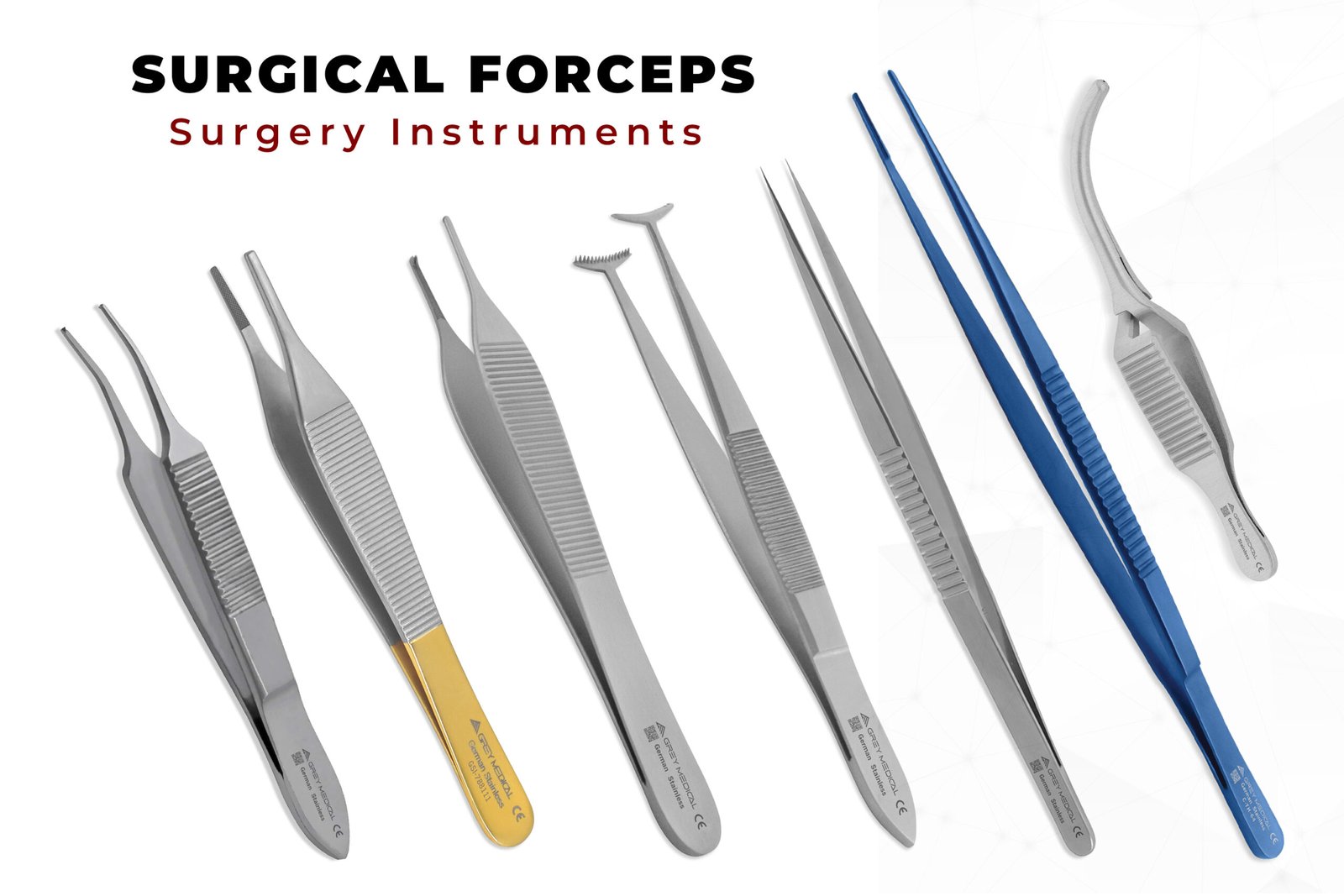
Medical professionals rely on precision, control, and accuracy when performing examinations, treatments, and surgical procedures. Among the many instruments used in healthcare settings, tweezers medical play an important role in supporting delicate tasks. These small yet practical instruments help healthcare professionals handle materials, grasp small objects, and perform detailed procedures with greater control. From hospitals and dental clinics to laboratories and specialized surgical environments, medical tweezers remain valuable tools in everyday medical practice.
Choosing the right instrument can also improve workflow and help professionals maintain consistent results. Therefore, understanding the different types, uses, materials, and features of medical tweezers helps healthcare providers make informed purchasing decisions.
What Are Medical Tweezers?
Medical tweezers are precision instruments designed to grasp, hold, position, or remove small objects during medical and clinical procedures. They typically feature two connected arms that professionals operate by applying gentle pressure. Their narrow tips allow users to reach areas that larger instruments cannot easily access.
Unlike ordinary household tweezers, medical instruments are designed to meet the demands of professional healthcare environments. Manufacturers produce them in different shapes, sizes, and tip styles to support specific applications.
Furthermore, many medical tweezers feature stainless steel construction. This material offers durability, corrosion resistance, and compatibility with appropriate cleaning and sterilization procedures. As a result, healthcare professionals can use suitable instruments repeatedly while following recommended infection-control practices.
Common Types of Medical Tweezers
Medical professionals use different tweezers depending on the procedure and the level of precision required. Each design offers particular advantages.
1. Straight Tweezers
Straight tweezers feature aligned tips that provide direct access to objects. Healthcare professionals often use them for general handling tasks, dressing applications, and procedures that require straightforward positioning.
2. Curved Tweezers
Curved tweezers have angled tips that help professionals reach difficult areas. Consequently, they can improve visibility and access when straight instruments cannot provide the necessary positioning.
3. Fine-Tip Tweezers
Fine-tip designs feature narrow, pointed ends for handling very small objects. They support detailed work in laboratories, clinical settings, and specialized medical applications.
4. Dressing Tweezers
Dressing tweezers help medical professionals handle gauze, cotton, and other dressing materials. Their design supports controlled handling during wound-care procedures.
5. Surgical Tweezers
Surgical tweezers are designed for specific surgical applications. Depending on their construction, they may feature smooth or toothed tips to provide different levels of grip and control.
Important Uses of Medical Tweezers
Medical tweezers support numerous healthcare activities. Their versatility makes them useful in several professional environments.
In hospitals, healthcare workers use them to handle dressings, position small materials, and assist with routine clinical tasks. Similarly, dental professionals use precision tweezers to handle small items during dental examinations and treatments.
In laboratories, technicians rely on these instruments to manipulate small samples and materials without unnecessary direct contact. Moreover, surgical teams may use specialized designs to assist with delicate instrument-handling tasks.
The usefulness of tweezers medical also extends to wound-care environments, where appropriate designs help professionals manage dressing materials with greater accuracy.
However, professionals must always select instruments according to their intended application. Using an unsuitable tweezer can reduce control and potentially interfere with the procedure.
Materials and Features to Consider
Material quality directly affects the durability and performance of medical instruments. Stainless steel remains a popular choice because it provides strength, corrosion resistance, and suitability for repeated use when properly maintained.
Nevertheless, buyers should consider more than material alone. Tip alignment, surface finish, handle design, and overall construction also influence instrument performance.
For example, precisely aligned tips help professionals grasp small objects securely. Meanwhile, a comfortable handle supports better control during extended procedures.
When selecting tweezers medical, healthcare providers should consider the following features:
- High-quality material: Choose suitable medical-grade stainless steel for durability and corrosion resistance.
- Accurate tip alignment: Ensure both tips meet correctly for reliable handling.
- Comfortable grip: Select a design that supports controlled movement.
- Smooth finishing: Look for a polished surface without rough edges or manufacturing defects.
- Application-specific design: Match the instrument’s shape and tip style to its intended use.
- Sterilization compatibility: Follow the manufacturer’s instructions for cleaning and sterilization.
These considerations help professionals select dependable instruments for their clinical requirements.
Cleaning, Maintenance, and Sterilization
Proper instrument care plays an essential role in maintaining safety and extending product life. Medical tweezers can collect biological material and contaminants during use. Therefore, healthcare professionals must follow established reprocessing procedures.
First, remove visible debris using the recommended cleaning method. Next, clean the instrument with an appropriate medical instrument detergent and follow the manufacturer’s instructions. Afterward, rinse and dry it thoroughly to prevent residue and moisture-related damage.
Additionally, inspect the tips and joints regularly. Check for corrosion, bending, loose connections, or other signs of damage. If an instrument shows defects, remove it from service until a qualified person evaluates it.
Finally, sterilize reusable instruments using a validated method compatible with their materials and manufacturer instructions. Proper storage also helps protect instruments from contamination and physical damage.
Why Quality Matters When Choosing Medical Tweezers
Quality instruments support consistent handling and help healthcare professionals work confidently. Poorly manufactured tweezers may have uneven tips, uncomfortable grips, or surfaces that deteriorate with repeated use.
Therefore, purchasing from a reliable medical instrument manufacturer or supplier is an important consideration. Buyers should evaluate product specifications, manufacturing standards, material quality, and intended applications before making a decision.
Grey Medical® is a privately owned medical technology company dedicated to innovation and excellence in the craft of surgical instrument. The company focuses on providing medical professionals with instruments that support precision, functionality, and professional requirements.
When evaluating tweezers medical, healthcare providers should prioritize dependable construction, practical design, and appropriate performance rather than focusing on price alone.
Conclusion
Medical tweezers are essential instruments that support precision and controlled handling across many healthcare environments. From dressing applications and laboratory work to specialized clinical procedures, their different designs serve a wide range of professional needs.
Understanding the available types, materials, features, and maintenance requirements helps healthcare professionals select suitable instruments for their work. Furthermore, regular inspection, proper cleaning, and appropriate sterilization support long-term instrument reliability.
Ultimately, choosing high-quality tweezers medical helps healthcare providers maintain organized workflows and meet the practical demands of modern medical environments. With a focus on quality and innovation, Grey Medical® continues to emphasize the importance of dependable surgical and medical instruments.