
Liposuction Dubai: Which Body Areas Can Be Treated During One Procedure?
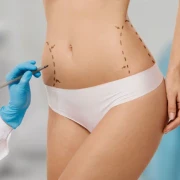
Liposuction is a popular body contouring procedure for people who want to address stubborn fat deposits that remain despite maintaining a healthy diet and regular exercise. Certain areas of the body can be particularly resistant to lifestyle changes, making it difficult to achieve the desired body shape. Liposuction helps reshape these areas by removing excess fat and creating smoother, more balanced body contours.
One of the most common questions patients ask when considering Liposuction dubai is whether multiple body areas can be treated during a single procedure. In suitable candidates, liposuction can address several areas during the same surgical session. For example, the abdomen, waist, flanks, thighs, arms, and back may be considered as part of an individualised treatment plan.
However, the number of areas that can safely be treated depends on several factors, including the patient’s health, body composition, fat distribution, skin elasticity, and the overall amount of fat being removed. At Cornerstone Clinic, understanding these considerations is an important part of planning a treatment that supports natural-looking body proportions.
Understanding Multiple-Area Liposuction
Multiple-area liposuction involves removing unwanted fat from more than one part of the body during a single surgical session. Rather than focusing on an isolated area, the surgeon considers how different body regions relate to one another to create a more harmonious appearance.
For instance, removing fat from the abdomen alone may improve the front profile, but treating the waist and flanks at the same time can help create a more defined overall silhouette.
The objective is not simply to remove as much fat as possible. Instead, the procedure focuses on improving body proportions while preserving natural contours.
The treatment plan is developed according to the patient’s anatomy and individual goals. Some patients may benefit from addressing two connected areas, while others may be suitable for a more comprehensive approach involving several regions.
Which Body Areas Can Be Treated During One Liposuction Procedure?
Liposuction can be performed on several areas of the body, depending on the patient’s suitability and the surgeon’s assessment. The following are some of the commonly treated regions.
1. Abdomen and Stomach
The abdomen is one of the most frequently requested areas for liposuction. Fat deposits around the upper and lower stomach can sometimes remain noticeable even when a person maintains a relatively stable weight.
Liposuction can target localised fat deposits in these regions to create a flatter and more defined abdominal appearance.
The upper and lower abdomen may be treated during the same procedure when appropriate. The surgeon considers the amount of available fat, skin elasticity, and the relationship between the abdominal area and surrounding regions.
It is also important to understand that liposuction removes fat but does not repair separated abdominal muscles or remove significant amounts of loose skin. Patients with these concerns may require a different or combined surgical approach.
2. Waist and Flanks
The waist and flanks, commonly known as love handles, are other popular areas for body contouring. Fat accumulation around the sides of the waist can affect the body’s natural shape and make the midsection appear wider.
Treating the waist and flanks alongside the abdomen can help create a more balanced transition between the upper body and hips.
This combination is particularly relevant for patients who want to improve their overall waistline rather than focus on one isolated area.
The surgeon evaluates the distribution of fat around the torso to determine how much contouring is appropriate. The aim is to achieve a proportionate appearance without creating unnatural indentations or excessive definition.
3. Thighs
Thigh liposuction can address localised fat deposits on the inner and outer thighs. These areas may develop persistent fat pockets that affect the appearance of the legs.
Inner thigh treatment focuses on reducing fullness between the legs, while outer thigh liposuction can improve the appearance of the hips and upper legs.
Both regions may be considered during one procedure, depending on the patient’s anatomy and treatment goals.
When thigh liposuction is combined with other areas, the surgeon must assess the total treatment volume and the patient’s ability to undergo a longer surgical session.
4. Upper Arms
Fat accumulation in the upper arms can make the area appear fuller, particularly around the back and inner portions of the arms.
Arm liposuction focuses on reducing localised fat deposits to create a more refined upper-arm contour.
Some patients choose to combine arm treatment with abdominal or waist liposuction to address several areas of concern at once.
However, skin elasticity is especially important when planning arm liposuction. Patients with significant loose skin may not achieve their desired appearance through fat removal alone.
5. Back and Bra-Line Area
The upper and lower back can develop localised fat deposits that remain noticeable beneath fitted clothing. The bra-line region is a particularly common concern for individuals who experience fullness around the upper back.
Liposuction can target these deposits to improve the transition between the back, waist, and surrounding body areas.
Treating the back and flanks together may help create a smoother side profile and more balanced torso proportions.
The surgeon evaluates the thickness of the fatty layer and the natural shape of the back before deciding which areas should be included.
6. Hips and Outer Thighs
Fat deposits around the hips and outer thighs can influence the overall shape of the lower body. Some individuals naturally carry more fat in these areas, creating a wider appearance around the hip region.
Liposuction can reduce selected deposits and improve the transition between the waist and thighs.
The treatment must be carefully planned to preserve natural curves. Removing too much fat from the hips can affect body proportions, so the objective should be balanced contouring rather than simply reducing volume.
7. Chin and Neck
Liposuction may also be used to address localised fat beneath the chin and around the upper neck.
This treatment can help improve the appearance of a fuller lower face by reducing excess fat beneath the jawline.
Although chin and neck liposuction can sometimes be performed alongside body contouring procedures, combining facial and larger body treatments is not automatically appropriate. The surgeon must consider the overall procedure duration, treatment requirements, and patient suitability.
Popular Combinations for Multiple-Area Liposuction
Some body areas complement one another when treated together because they contribute to the same overall body contour.
Common combinations include:
Abdomen, waist, and flanks: This combination focuses on the midsection and helps create a more defined waistline.
Abdomen and lower back: Treating the front and back of the torso can help improve the overall appearance of the midsection.
Thighs and hips: This approach addresses fullness around the lower body and aims to create smoother proportions.
Arms and back: Treating these areas together can help refine the upper-body silhouette.
Abdomen, waist, and thighs: In selected patients, these regions may be considered as part of a broader body contouring plan.
The suitability of each combination depends on individual anatomy, the volume of fat involved, and the surgeon’s assessment. Not every patient will be a suitable candidate for multiple-area treatment.
How Does the Surgeon Decide How Many Areas Can Be Treated?
There is no universal number of body areas that can be treated during one liposuction procedure. The decision is based on several clinical considerations.
Overall Health and Medical History
A patient’s general health is one of the most important factors. During consultation, the surgeon reviews medical history, existing health conditions, medications, and other relevant information.
This assessment helps determine whether the patient can undergo the proposed procedure and whether multiple treatment areas are appropriate.
Amount of Fat to Be Removed
The amount of fat being removed is more important than simply counting the number of areas.
For example, treating several small areas may involve a different surgical workload from treating a few larger regions with substantial fat deposits.
The surgeon considers the total planned fat removal and applicable safety limits when developing the treatment plan.
Skin Elasticity
Skin elasticity influences how the body adjusts after fat removal. Skin with good elasticity may adapt more effectively to the new contours.
However, patients with significant skin laxity may require additional treatment options rather than liposuction alone.
Procedure Duration
Treating multiple areas generally requires more surgical time than treating one isolated region.
The surgeon considers the complexity of each area, the anticipated procedure duration, and the patient’s individual circumstances before recommending a treatment plan.
Individual Body Proportions
Body contouring should complement the patient’s natural anatomy. The surgeon evaluates the relationship between the waist, abdomen, hips, thighs, and other areas to determine which combination is likely to produce balanced results.
What Is 360 Liposuction?
360 liposuction is a body contouring approach that focuses on the entire midsection rather than a single area. It commonly involves treating the abdomen, waist, flanks, and back to improve the appearance of the torso from different angles.
Unlike isolated abdominal liposuction, this approach considers the body’s circumference and the relationship between the front, sides, and back.
Patients interested in comprehensive midsection contouring may explore Liposuction dubai at Cornerstone Clinic to understand whether a 360-degree approach is suitable for their body shape and treatment goals.
The procedure is not intended to replace weight management. Instead, it focuses on localised fat deposits that affect body proportions.
What Should Patients Expect During Recovery?
Recovery following multiple-area liposuction varies according to the number of treated regions, the extent of fat removal, and individual healing characteristics.
Patients generally receive specific aftercare instructions from their surgical team. These may include wearing compression garments, following activity restrictions, attending follow-up appointments, and gradually returning to normal routines.
Swelling and temporary changes in body shape are common during the initial recovery period. As healing progresses, the treated areas gradually become more defined.
Patients should understand that final contour improvements do not appear immediately. The body needs time to recover and adjust following surgery.
Following the surgeon’s instructions is important for supporting the healing process and achieving the best possible outcome.
How Much Does Multiple-Area Liposuction Cost in Dubai?
The cost of liposuction in Dubai varies depending on the treatment plan and the patient’s individual requirements.
When several body areas are included in one procedure, the overall cost may differ from that of treating a single region.
Factors that can influence Liposuction Cost in dubai include:
- Number of body areas being treated.
- Total amount of fat planned for removal.
- Complexity of the surgical procedure.
- Surgical technique and equipment used.
- Anaesthesia and facility requirements.
- Individual treatment and aftercare needs.
A personalised consultation is the best way to understand the expected cost. Patients should request a clear breakdown of the proposed treatment and the services included in the overall quotation.
At Cornerstone Clinic, an individual assessment can help establish which areas may be suitable for treatment and what approach best matches the patient’s expectations.
How to Prepare for a Liposuction Consultation
A consultation is an opportunity to discuss body contouring goals and understand what can realistically be achieved.
Before the appointment, patients may find it helpful to consider the following:
- Identify the body areas that concern you most.
- Discuss previous weight changes and current weight stability.
- Share relevant medical history and medication information.
- Explain the type of body contouring results you hope to achieve.
- Ask whether treating multiple areas during one procedure is appropriate.
- Understand the expected recovery period and treatment costs.
Open communication with the surgeon helps establish realistic expectations and supports a treatment plan based on individual needs.
Conclusion
Liposuction can address several body areas during one procedure when the patient is an appropriate candidate. Common treatment areas include the abdomen, waist, flanks, thighs, arms, hips, back, and chin. Combining selected regions can help create more balanced body proportions and improve overall contour definition.
However, the number of areas treated should never be determined by preference alone. Factors such as general health, skin elasticity, fat distribution, total fat removal, and procedure duration all influence the treatment plan.
For individuals considering Liposuction dubai, a professional consultation at Cornerstone Clinic can help identify suitable treatment areas and determine whether multiple-area or 360 liposuction is the right approach. A personalised plan ensures that the focus remains on proportionate, natural-looking results and individual patient needs.
Frequently Asked Questions
1. Can multiple body areas be treated during one liposuction procedure?
Yes, multiple body areas can be treated during one procedure if the patient is medically suitable. Common combinations include the abdomen, waist, flanks, thighs, and back. The surgeon determines the appropriate treatment plan after assessing the patient’s health and anatomy.
2. How many areas can be treated with liposuction at once?
There is no fixed number of areas suitable for every patient. The decision depends on the size of each treatment region, the amount of fat involved, the expected surgical duration, and individual health considerations.
3. Can abdomen and waist liposuction be performed together?
Yes, the abdomen and waist are commonly treated together. Addressing both areas allows the surgeon to improve the appearance of the midsection and create a smoother transition between the stomach and sides of the body.
4. Can liposuction treat the stomach and thighs in one session?
In selected patients, the stomach and thighs can be treated during the same surgical session. However, the surgeon must evaluate the total treatment volume and determine whether combining these areas is appropriate.
5. Is 360 liposuction the same as multiple-area liposuction?
Not exactly. Multiple-area liposuction can involve different combinations of body regions, while 360 liposuction specifically focuses on contouring the midsection around the abdomen, waist, flanks, and back.
6. Does liposuction remove fat permanently?
Liposuction removes fat cells from the treated areas. However, remaining fat cells can increase in size with weight gain. Maintaining a relatively stable weight and healthy lifestyle helps preserve the results.
7. Can liposuction tighten loose skin?
Liposuction primarily removes excess fat rather than significantly tightening loose skin. Patients with considerable skin laxity may need to discuss additional procedures with their surgeon.
8. How long does recovery take after multiple-area liposuction?
Recovery varies according to the number of treated areas, the extent of surgery, and individual healing. Some patients resume light daily activities within a few days, while returning to exercise and more demanding activities may take longer. The surgeon provides personalised recovery guidance.
9. How is the cost of multiple-area liposuction calculated in Dubai?
The cost depends on the number and size of the treatment areas, surgical complexity, anaesthesia, facility requirements, and individual care needs. A consultation provides a more accurate estimate based on the proposed procedure.
10. How can I find out whether I am suitable for multiple-area liposuction?
The best way is to arrange a consultation with a qualified plastic surgeon. The surgeon will assess your medical history, body composition, skin elasticity, and aesthetic goals before recommending suitable treatment areas.