
Lipoma Management Without Surgery: Practical Tips and Solutions
Discovering a soft lump beneath the skin can be concerning, especially when it continues to grow over time. In many cases, these lumps are lipomas—benign fatty growths that develop just beneath the skin. While surgery is often considered the standard treatment for removal, many people search for ways to manage lipomas without undergoing an operation.
If you’re wondering how to get rid of lipoma without surgery, it’s important to understand that not every lipoma requires medical intervention. Many remain harmless and stable for years. However, there are several practical strategies that may help support overall lipoma management and improve comfort.
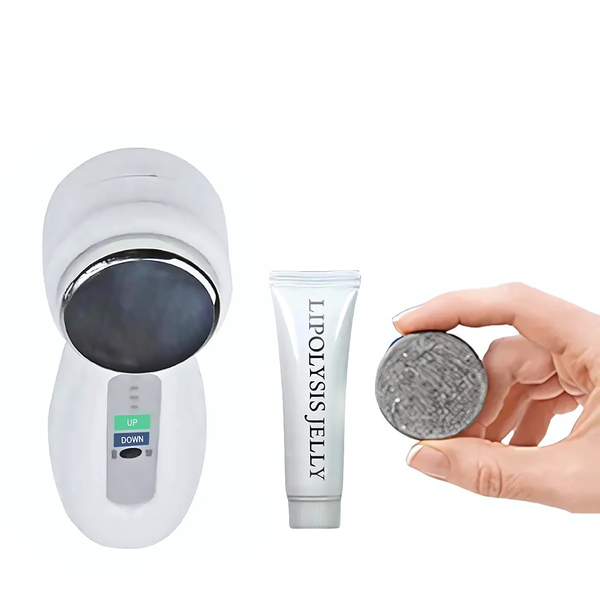
What Is a Lipoma?
A lipoma is a non-cancerous growth made up of fat cells. It typically feels soft, moves easily under the skin, and grows slowly over time.
Common areas where lipomas develop include:
- Neck
- Shoulders
- Back
- Arms
- Thighs
- Abdomen
Most lipomas are painless, although larger ones may cause discomfort if they press against nearby nerves or tissues.
Why Do People Look for Non-Surgical Options?
Surgery can effectively remove a lipoma, but it may not be the preferred choice for everyone. Some individuals seek alternatives because of:
- Concerns about scarring
- Recovery time after surgery
- Cost of treatment
- Multiple lipomas requiring attention
- Personal preference for conservative management
Understanding available non-surgical approaches can help people make informed decisions about their care.
Lifestyle Habits That Support Lipoma Management
Although lifestyle changes cannot guarantee lipoma removal, healthy habits may support overall wellness and skin health.
Maintain a Healthy Weight
Lipomas are composed of fatty tissue, but they do not necessarily disappear with weight loss. However, maintaining a healthy body weight supports metabolic health and may help reduce additional health concerns.
Tips include:
- Eating balanced meals
- Limiting highly processed foods
- Staying physically active
- Monitoring portion sizes
Stay Physically Active
Regular exercise improves circulation and supports overall health.
Consider activities such as:
- Walking
- Swimming
- Cycling
- Strength training
- Yoga
Aim for at least 150 minutes of moderate exercise each week.
Focus on a Nutrient-Rich Diet
A healthy diet supports the body’s natural functions and may contribute to better long-term wellness.
Foods to Include
- Fresh fruits and vegetables
- Lean proteins
- Whole grains
- Nuts and seeds
- Healthy fats from fish and olive oil
Foods to Limit
- Sugary beverages
- Excessive processed foods
- Trans fats
- Highly refined carbohydrates
While no specific food has been proven to remove lipomas, a balanced diet supports overall health.
Monitoring Your Lipoma
One of the most practical non-surgical strategies is regular monitoring.
Track:
- Changes in size
- Changes in shape
- New symptoms
- Pain or tenderness
- Effects on daily activities
Taking photos every few months can help you notice gradual changes that might otherwise go unnoticed.
When to Consult a Healthcare Professional
Even if you prefer non-surgical management, professional evaluation remains important.
Seek medical advice if a lump:
- Grows rapidly
- Becomes painful
- Feels unusually firm
- Changes color
- Restricts movement
- Causes persistent discomfort
A healthcare provider can confirm whether the lump is truly a lipoma and recommend appropriate management options.
Understanding Available Non-Surgical Approaches
Depending on individual circumstances, healthcare professionals may discuss various non-surgical treatments. These options vary based on the size, location, and characteristics of the lipoma.
Potential approaches may include:
- Observation and monitoring
- Minimally invasive procedures
- Medical evaluation for symptom management
- Personalized treatment recommendations
Not every lipoma requires immediate action, making individualized assessment important.
Common Mistakes to Avoid
People searching for how to get rid of lipoma without surgery often encounter misleading information online.
Avoid:
- Attempting to cut or drain a lipoma yourself
- Using unverified treatments
- Ignoring significant changes in the lump
- Delaying medical evaluation when symptoms worsen
Safe management starts with accurate information and realistic expectations.
FAQ
1. Can a lipoma go away without surgery?
Most lipomas do not disappear on their own, but many remain stable and do not require treatment.
2. Is a lipoma dangerous?
Lipomas are usually benign and non-cancerous, though any new lump should be evaluated by a healthcare professional.
3. Can exercise reduce a lipoma?
Exercise supports overall health but has not been proven to eliminate lipomas.
4. Should every lipoma be removed?
No. Many lipomas are monitored unless they become painful, grow significantly, or cause cosmetic concerns.
5. How do I know if my lump is a lipoma?
Only a qualified healthcare provider can properly diagnose a lump through examination and, when necessary, imaging tests.