
High Cholesterolemia Dubai: How Does Family History Affect Cholesterol Assessment?
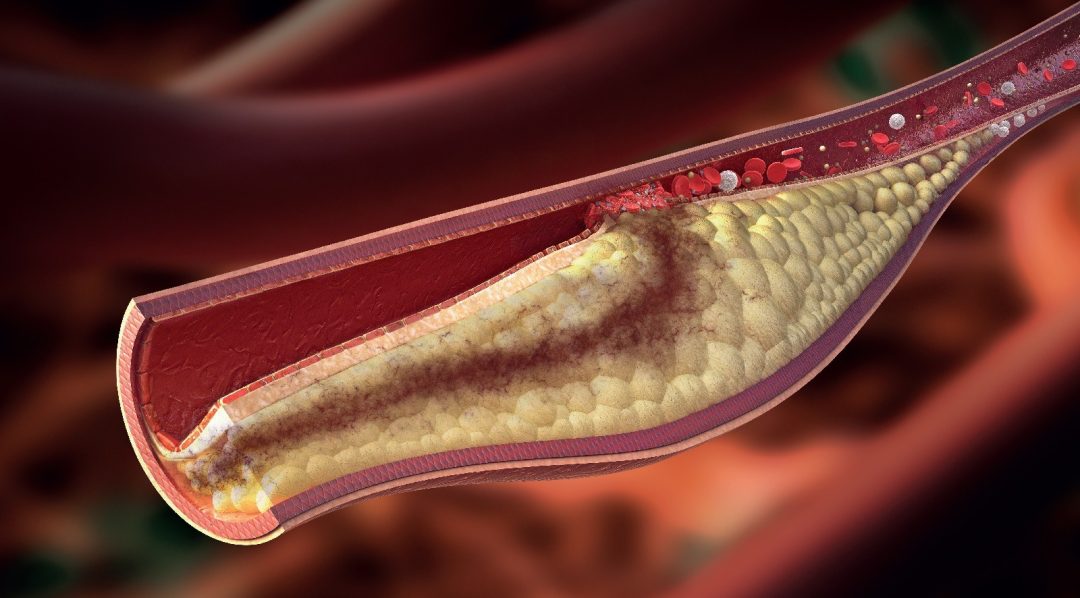
High cholesterol is a common health concern that can develop because of several factors, including dietary habits, physical activity, age, and inherited characteristics. While lifestyle plays an important role in maintaining healthy cholesterol levels, family history can also provide valuable information during a medical assessment. Understanding whether close relatives have experienced high cholesterol or related cardiovascular conditions can help doctors determine which factors deserve closer attention.
For individuals seeking High cholesterolemia Dubai services, discussing family medical history is an important part of a comprehensive cholesterol evaluation. It allows the doctor to consider inherited tendencies alongside personal health information, laboratory findings, and everyday habits. This broader approach supports a more individualised assessment rather than relying on a single cholesterol reading.
At Dr. Barbara, understanding a patient’s medical background can help inform discussions about cholesterol testing, possible contributing factors, and appropriate follow-up. Patients can also learn about High cholesterolemia Cost in Dubai when exploring assessment and management options, including the factors that may influence the overall cost of care.
Understanding High Cholesterolemia
High cholesterolemia refers to elevated cholesterol levels in the blood. Cholesterol is a fatty substance that the body needs to produce hormones, build cell membranes, and support other essential functions. The body produces cholesterol naturally, and additional cholesterol comes from certain foods.
Cholesterol travels through the bloodstream in particles called lipoproteins. Two commonly measured types are low-density lipoprotein (LDL) and high-density lipoprotein (HDL).
LDL is often described as bad cholesterol because elevated levels can contribute to plaque accumulation in the arteries. HDL is commonly called good cholesterol because it helps transport cholesterol away from tissues towards the liver for processing. However, cholesterol assessment involves more than comparing these two measurements.
Doctors may also review total cholesterol, triglycerides, and other relevant indicators when evaluating an individual’s lipid profile. These results are interpreted alongside personal health circumstances rather than in isolation.
High cholesterol does not always produce noticeable symptoms. Many individuals discover elevated levels during routine blood testing or a medical consultation. For this reason, understanding personal risk factors, including family history, can be an important part of preventive healthcare.
Why Family History Matters in Cholesterol Assessment
Family history provides information about health conditions that may occur more frequently among biological relatives. Since family members share genetic characteristics, they may inherit tendencies that influence how their bodies produce, transport, and remove cholesterol.
When a patient reports that a parent, sibling, or other close relative has high cholesterol, a doctor may consider whether inherited factors contribute to the patient’s own results.
Family history can be particularly relevant when cholesterol levels are elevated despite generally healthy lifestyle habits. It may also be important when high cholesterol appears at a relatively young age or when several close relatives have experienced cardiovascular disease earlier than expected.
However, family history alone does not confirm that a person has an inherited cholesterol disorder. Relatives often share dietary patterns, activity levels, and other environmental influences as well as genes. A doctor therefore considers the complete clinical picture before drawing conclusions.
During a High cholesterolemia Dubai consultation, discussing family health patterns can help establish whether additional testing, closer monitoring, or a more detailed medical evaluation should be considered.
How Genetic Factors Influence Cholesterol Levels
Genes provide instructions that help regulate the body’s production and processing of cholesterol. Variations in certain genes can influence LDL cholesterol levels, sometimes resulting in higher concentrations from an early age.
Some people inherit genetic characteristics that make it more difficult for their bodies to remove LDL cholesterol from the bloodstream. Others may have inherited tendencies that interact with dietary choices, weight, physical activity, and other health factors.
One recognised inherited condition is familial hypercholesterolaemia (FH). This condition can cause significantly elevated LDL cholesterol levels, often beginning in childhood or adolescence. It can be inherited from one or both parents.
A person with familial hypercholesterolaemia may have high LDL cholesterol even when following a balanced diet and maintaining an active lifestyle. Recognising this possibility is important because lifestyle changes alone may not be sufficient to achieve the desired cholesterol levels.
A doctor may consider the possibility of an inherited disorder when reviewing particularly high LDL measurements, a history of elevated cholesterol at a young age, or a family pattern of premature cardiovascular disease.
Further evaluation depends on the patient’s results, medical background, and clinical findings. In selected circumstances, genetic testing or assessment of other family members may be discussed.
What Information Should Patients Share About Their Family History?
Providing accurate family medical information helps the doctor understand whether inherited factors could influence cholesterol levels. Patients do not need to know every detail about their relatives’ health, but any available information can be useful.
Important details may include:
- Family history of high cholesterol: Whether parents, siblings, or other close biological relatives have been diagnosed with elevated cholesterol.
- Age at diagnosis: Whether a relative developed high cholesterol during childhood, early adulthood, or later life.
- Cardiovascular conditions: Whether close relatives have experienced heart attacks, strokes, or other cardiovascular conditions at an unusually young age.
- Known inherited disorders: Whether anyone in the family has been diagnosed with familial hypercholesterolaemia or another lipid disorder.
- Current treatment: Whether relatives require cholesterol-lowering medication or ongoing medical monitoring.
- Previous test results: Any known LDL cholesterol measurements or other lipid profile results that may provide additional context.
If precise information is unavailable, patients can simply explain what they know. A doctor can use this information alongside the patient’s own medical records and laboratory findings.
How Family History Shapes Cholesterol Testing
Family history may influence when cholesterol testing is recommended, how results are interpreted, and whether additional investigations are appropriate.
Establishing a Baseline Cholesterol Level
A lipid profile is a standard blood test used to measure total cholesterol, LDL cholesterol, HDL cholesterol, and triglycerides. It provides a starting point for understanding the patient’s current cholesterol status.
When a patient has a strong family history of high cholesterol, the doctor may pay particular attention to LDL levels and consider whether testing should begin earlier or be repeated at appropriate intervals.
The timing of testing depends on factors such as age, previous results, personal medical history, and recognised screening recommendations.
Identifying Possible Inherited Cholesterol Conditions
Very high LDL cholesterol levels, particularly when accompanied by a relevant family history, may prompt further evaluation for familial hypercholesterolaemia.
The doctor may review previous blood tests, examine the pattern of cholesterol results over time, and ask about cardiovascular conditions among close relatives.
Depending on the findings, additional clinical assessment, specialist referral, or genetic testing may be considered. Not every patient with a family history requires these investigations.
Interpreting Results in Context
Cholesterol results must be interpreted according to the individual’s overall health profile. Two patients with similar LDL measurements may have different treatment considerations because of differences in age, blood pressure, diabetes status, smoking history, and other cardiovascular risk factors.
Family history adds another layer of information to this assessment. It helps the doctor understand whether an inherited tendency may be contributing to the results and whether closer attention is appropriate.
The Relationship Between Family History and Lifestyle
Although genetic factors can influence cholesterol levels, lifestyle remains relevant for many individuals. Family members frequently share eating habits, household routines, and levels of physical activity, making it important to consider both inherited and environmental influences.
A diet containing substantial amounts of saturated fat can contribute to higher LDL cholesterol in some individuals. Regular physical activity, a balanced eating pattern, and maintaining a suitable weight can support a healthier lipid profile.
Other factors, including smoking, certain medical conditions, and some medications, may also influence cholesterol measurements.
For patients with an inherited cholesterol condition, lifestyle changes remain valuable, but they may need to be combined with prescribed medication. The appropriate approach depends on the degree of cholesterol elevation and the individual’s overall clinical assessment.
During a consultation, the doctor can discuss practical changes that suit the patient’s circumstances. Reviewing daily habits alongside family history helps distinguish potentially modifiable factors from inherited influences.
When Should People With a Family History Seek Assessment?
People with close relatives who have high cholesterol may benefit from discussing cholesterol screening with a healthcare professional. This is especially relevant when multiple relatives have elevated LDL cholesterol or when a family member has experienced cardiovascular disease at a younger-than-expected age.
Assessment may also be appropriate for individuals who have previously received an abnormal cholesterol result, have diabetes or high blood pressure, or have other recognised cardiovascular risk factors.
Younger adults should not automatically assume that cholesterol testing is unnecessary simply because they feel healthy. Inherited cholesterol conditions can be present without obvious symptoms.
The doctor can recommend an appropriate testing schedule based on age, personal health information, previous results, and family history. If familial hypercholesterolaemia is suspected or diagnosed, other biological relatives may also benefit from discussing screening with their own healthcare professionals.
Understanding High Cholesterolemia Cost in Dubai
The cost of a cholesterol assessment can vary according to the services required and the patient’s clinical circumstances. A straightforward consultation and lipid profile may involve different charges from an evaluation that includes additional laboratory tests or specialist investigations.
When researching High cholesterolemia Cost in Dubai, patients can ask the clinic which services are included in the consultation fee and whether laboratory testing is charged separately.
Factors that may affect the overall cost include:
- The initial doctor’s consultation.
- A standard lipid profile or other recommended blood tests.
- Additional investigations if an inherited cholesterol disorder is suspected.
- Follow-up appointments to review results and discuss management.
- Further clinical services that may be appropriate for the individual.
Not every patient requires all these services. The doctor determines the appropriate assessment according to the patient’s history and findings.
Patients interested in cholesterol care at Dr. Barbara can visit the High Cholesterolemia Dubai service page to explore the available service information and ask about consultation arrangements and applicable fees.
Preparing for a Cholesterol Consultation at Dr. Barbara
Preparing for a medical appointment can help patients make the most of their consultation. Before visiting the clinic, individuals can gather any previous cholesterol results, a list of current medications, and information about relevant medical conditions.
It is also useful to note which family members have experienced high cholesterol or cardiovascular disease and, if known, the age at which these conditions were diagnosed.
During the appointment, the doctor may ask about eating habits, exercise, smoking, alcohol consumption, existing health conditions, and previous test results. These questions help establish a fuller picture of the patient’s health.
The doctor can then explain the lipid profile, discuss the possible significance of family history, and determine whether further testing or monitoring is appropriate.
Patients should feel comfortable asking questions about their results, the purpose of recommended investigations, and the expected costs of care. Clear communication supports informed decisions and helps establish a practical plan for ongoing cholesterol management.
Conclusion
Family history can provide valuable insight into the assessment of high cholesterol. Because inherited characteristics may influence LDL cholesterol levels, knowing whether close relatives have experienced high cholesterol, familial hypercholesterolaemia, or early cardiovascular disease can help a doctor identify patients who may need closer evaluation.
However, family history is only one part of the assessment. Blood test results, lifestyle habits, existing medical conditions, age, and other cardiovascular risk factors must also be considered when determining the appropriate next steps.
For individuals seeking High cholesterolemia Dubai services, discussing family health patterns during a consultation can help support a more informed and personalised evaluation. At Dr. Barbara, patients can enquire about cholesterol assessment, recommended testing, follow-up arrangements, and High cholesterolemia Cost in Dubai to understand the services relevant to their needs.
Frequently Asked Questions
1. Can high cholesterol run in families?
Yes. Genetic variations can influence how the body produces and removes cholesterol. Some inherited conditions, such as familial hypercholesterolaemia, can cause significantly elevated LDL cholesterol. Family members may also share lifestyle habits that affect their cholesterol levels.
2. Does having a parent with high cholesterol mean I will develop it?
Not necessarily. A family history can indicate an increased likelihood of elevated cholesterol, but it does not determine an individual’s cholesterol level. Blood testing and a review of personal health factors help establish the person’s actual cholesterol status.
3. What family history is important during a cholesterol assessment?
Information about high cholesterol, familial hypercholesterolaemia, heart attacks, and strokes among close biological relatives can be useful. The age at which these conditions developed may also help the doctor determine whether further evaluation is appropriate.
4. At what age should someone with a family history have cholesterol testing?
The appropriate age depends on the strength of the family history, personal health factors, and applicable screening recommendations. People with a suspected inherited cholesterol condition may need assessment earlier than routine screening schedules would otherwise suggest.
5. What is familial hypercholesterolaemia?
Familial hypercholesterolaemia is an inherited condition that causes high LDL cholesterol, often from an early age. It can occur even in people who maintain healthy lifestyle habits. A doctor may suspect it based on cholesterol measurements and family history and recommend further evaluation when appropriate.
6. Can lifestyle changes control inherited high cholesterol?
Lifestyle changes can help improve cholesterol levels and support cardiovascular health. However, people with familial hypercholesterolaemia or substantially elevated LDL cholesterol may also require prescribed medication. Management should be based on an individual medical assessment.
7. What tests are used to assess high cholesterol?
A lipid profile generally measures total cholesterol, LDL cholesterol, HDL cholesterol, and triglycerides. Depending on the results and medical history, the doctor may recommend additional tests or investigations to assess possible inherited conditions or other contributing factors.
8. How often should cholesterol levels be checked if high cholesterol runs in the family?
Testing frequency depends on the person’s age, previous results, existing conditions, and whether an inherited disorder has been identified. A healthcare professional can recommend an appropriate monitoring schedule based on these factors.
9. What affects High cholesterolemia Cost in Dubai?
The overall cost may depend on the consultation fee, laboratory tests, additional investigations, and follow-up appointments. Patients should confirm which services are included and whether tests or further assessments incur separate charges.
10. How can I arrange a high cholesterol assessment at Dr. Barbara?
Patients can visit theHigh Cholesterolemia Dubai service page to review the available information and enquire about booking a consultation, cholesterol testing, and applicable fees.