
Alpha Theta Neurofeedback: How It Works, Benefits & Research
- Education
- Oct 26
- Share post
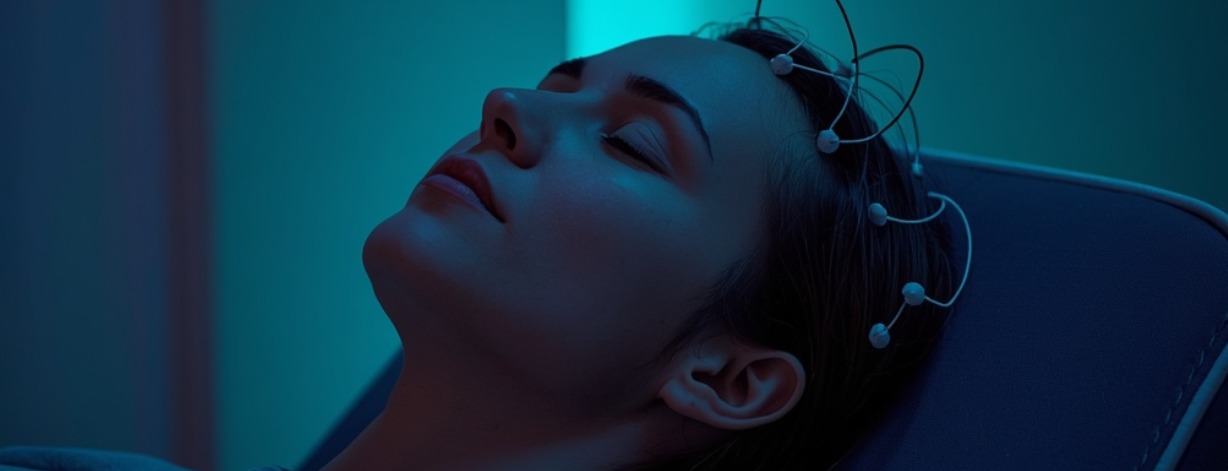
Alpha theta neurofeedback is a brain-training technique that uses real-time electroencephalography (EEG) feedback to help individuals learn to regulate specific patterns of brain activity. It is commonly associated with relaxation training, emotional self-regulation, and research into psychological well-being.
The technique focuses on alpha and theta brainwave activity, which are associated with different aspects of wakefulness, attention, and mental processing. By providing feedback as brain activity changes, practitioners aim to help individuals develop greater awareness of their mental states.
Although alpha theta neurofeedback has shown potential in several areas of psychological research, its effectiveness varies by application, and it should not be considered a guaranteed treatment for any medical or mental health condition.
What Is Alpha Theta Neurofeedback?
Understanding the Technique
Alpha theta neurofeedback is a specialized form of EEG neurofeedback that focuses on two frequency bands: alpha and theta. During training, sensors placed on the scalp measure electrical activity generated by the brain. A computer then converts selected activity patterns into feedback, such as changes in sound or visual displays.
The feedback is intended to help participants recognize and gradually learn to influence particular brain activity patterns. Unlike conventional relaxation exercises, this method uses measured EEG activity to guide the training process.
The main objective is to practice self-regulation of selected brainwave patterns rather than simply increase relaxation or eliminate unwanted thoughts.
Understanding Alpha and Theta Brainwaves
Alpha and theta waves represent different frequency ranges in EEG recordings.
Brainwave type Approximate frequency Common associations Alpha waves8–12 Hz Relaxed wakefulness and reduced visual processing Theta waves4–8 Hz Drowsiness, memory processes, and certain forms of internal attention
These ranges are approximate, and conventions may differ between research protocols.
Alpha activity is often observed when a person is awake but relaxed, particularly with the eyes closed. Theta activity can appear during drowsiness, memory-related tasks, and other cognitive processes.
Neither frequency is inherently good or bad. Their meaning depends on the brain region, the person’s state, and the context in which the activity occurs.
How Does Alpha Theta Neurofeedback Work?
Initial Assessment and Preparation
A typical training program begins with an assessment of the individual’s goals, medical history, current symptoms, and suitability for the procedure. The practitioner explains how the equipment works and establishes the brain activity patterns that will be monitored.
Some protocols incorporate breathing exercises, relaxation training, or other preparation techniques before EEG feedback begins.
The assessment also helps determine whether alpha theta neurofeedback is an appropriate complementary approach or whether another intervention would be more suitable.
EEG Monitoring and Real-Time Feedback
During a session, electrodes are placed on the scalp to record electrical activity. These sensors measure brain signals without delivering electrical stimulation to the brain.
Specialized software processes the signals and provides feedback based on predefined criteria. For example, a sound may become clearer or a visual display may change when the measured activity approaches the target pattern.
Participants generally remain seated and follow the instructions provided by the practitioner.
Learning Through Repeated Practice
Neurofeedback training is based partly on the principles of operant conditioning. The feedback provides information about the relationship between brain activity and the training target, allowing participants to practice adjusting their mental state.
Some individuals may find that relaxation, breathing, or changes in attention help them engage with the feedback. Others may experience less consistent results.
Successful learning cannot be assumed simply because a feedback display changes. Researchers must distinguish genuine self-regulation from signal artifacts, random fluctuations, and changes that also occur without training.
Potential Benefits of Alpha Theta Neurofeedback
Relaxation and Stress Management
Alpha theta neurofeedback is frequently studied as a method for encouraging relaxation and reducing stress-related arousal.
Some participants report feeling calmer following sessions, although subjective relaxation does not necessarily demonstrate that the technique has produced lasting clinical improvement.
The method may be considered alongside established stress-management practices, including mindfulness, regular physical activity, and structured relaxation exercises.
Emotional Awareness and Self-Regulation
The training process may encourage participants to pay closer attention to their internal experiences and responses to feedback.
Researchers have explored whether this type of practice can support emotional regulation, mood, and psychological well-being. However, the specific effects of alpha theta training remain difficult to separate from those of relaxation, practitioner guidance, and participants’ expectations.
Anxiety and Mood-Related Symptoms
Alpha theta neurofeedback has been investigated for anxiety-related symptoms and mood difficulties. Research findings are promising in some settings, but they are not sufficiently consistent to establish the technique as a standalone treatment.
A clinical trial published in 2025 compared alpha theta training with sensorimotor rhythm neurofeedback in people with generalized anxiety disorder. Such comparative studies contribute to understanding which protocols may be helpful, but individual trials do not establish broad effectiveness across populations.
For people experiencing persistent anxiety or depression, evidence-based psychological treatments and appropriate medical care remain important.
Research Into Addiction and Trauma
Alpha theta training has also been explored in research involving addiction recovery and trauma-related difficulties. Some studies have investigated whether the approach may support relaxation and changes in psychological functioning.
However, findings from older studies and small clinical samples require cautious interpretation. More rigorous research is needed to establish which individuals may benefit, what training schedules are appropriate, and whether improvements persist over time.
Alpha theta neurofeedback should not replace established addiction treatment, trauma-focused psychotherapy, or other clinically indicated care.
What Does Scientific Research Say?
Findings From Neurofeedback Reviews
Research reviews have examined neurofeedback protocols targeting alpha or theta activity, including their potential effects on cognition, mood, and emotional functioning.
A 2021 review of EEG neurofeedback interventions for depression classified alpha theta and certain other protocols as possibly efficacious, while emphasizing limitations in the available evidence. These limitations included inconsistent study designs, small samples, and insufficient replication.
A 2024 systematic review and meta-analysis examined neurofeedback aimed at changing frontal midline theta activity. It found evidence that participants could increase this activity under some training conditions, but the researchers also reported substantial differences between studies.
Importantly, frontal midline theta training is not identical to every alpha theta neurofeedback protocol. Evidence for one approach cannot automatically be applied to another.
Limitations of Current Evidence
Several factors make it difficult to determine the overall effectiveness of alpha theta neurofeedback.
Small study populations: Results from limited samples may not apply to broader populations.
Different protocols: Studies may use different electrode locations, feedback criteria, session schedules, and outcome measures.
Control-group limitations: Improvements may partly reflect relaxation, expectations, or attention from the practitioner.
Inconsistent outcomes: Changes in EEG activity do not always correspond to meaningful improvements in daily functioning.
Limited long-term follow-up: Some studies do not establish whether reported improvements persist after training ends.
Future research needs larger controlled trials, standardized protocols, and objective measures of clinically meaningful improvement.
What Happens During an Alpha Theta Neurofeedback Session?
Session Structure
A session commonly involves several stages, although the exact procedure depends on the practitioner and the protocol.
Preparation: The participant receives instructions and settles into a comfortable position.
Sensor placement: EEG electrodes are positioned on the scalp.
Baseline recording: The practitioner may record brain activity before training begins.
Feedback training: The participant listens to sounds or observes visual feedback linked to selected EEG patterns.
Review: The practitioner discusses the experience and evaluates progress toward the training goals.
Sessions may take approximately 30–60 minutes, depending on the equipment, preparation, and protocol. This range is illustrative rather than a universal clinical standard.
Number of Sessions Required
There is no single evidence-based number of sessions that applies to every alpha theta neurofeedback program.
Some research protocols use multiple sessions over several weeks, while others follow different schedules. The appropriate duration depends on the purpose of training, the individual’s response, and the design of the intervention.
A qualified practitioner should establish measurable goals and review progress periodically rather than promise a particular result after a fixed number of sessions.
Safety, Side Effects, and Important Considerations
Is Alpha Theta Neurofeedback Safe?
EEG neurofeedback records brain activity and does not ordinarily involve electrical stimulation. Nevertheless, the absence of stimulation does not mean that every protocol is appropriate for every person.
Some participants may experience temporary fatigue, headaches, difficulty relaxing, or changes in alertness during or after training. The frequency and significance of these experiences are not consistently documented across all alpha theta studies.
Any unusual or persistent symptoms should be discussed with a qualified healthcare professional.
Who Should Seek Professional Guidance?
Individuals with significant psychiatric symptoms, neurological conditions, or complex medical histories should seek appropriate professional advice before starting a program.
A practitioner should explain the procedure, its limitations, possible adverse effects, and the evidence supporting the specific protocol being offered.
Alpha theta neurofeedback should not delay assessment or treatment for severe depression, suicidal thoughts, substance dependence, or other conditions requiring timely clinical care.
Alpha Theta Neurofeedback Compared With Other Approaches
Different interventions target different aspects of psychological or physiological functioning. Understanding these distinctions helps individuals make informed decisions.
ApproachPrimary focusImportant distinctionAlpha theta neurofeedbackTraining selected EEG activity patternsUses real-time brainwave feedbackMindfulness meditationAttention and awareness of present experiencesDoes not require EEG monitoringBreathing exercisesRegulation of breathing and physiological arousalCan often be practiced independentlyConventional psychotherapyPsychological symptoms, thoughts, emotions, and behaviorUses structured therapeutic methodsBiofeedbackAwareness and regulation of measurable physiological signalsMay monitor heart rate, muscle tension, or other signals
These approaches are not necessarily mutually exclusive. A qualified professional can help determine whether neurofeedback is appropriate as a complementary intervention or whether another treatment is better supported for a particular concern.
Frequently Asked Questions About Alpha Theta Neurofeedback
Does alpha theta neurofeedback work?
Research suggests that some neurofeedback protocols can change targeted EEG activity, but evidence of clinical benefit varies. Alpha theta neurofeedback has not been established as an effective standalone treatment for every condition in which it is marketed.
Can alpha theta neurofeedback help with anxiety?
It has been investigated for anxiety-related symptoms, and some studies report improvements. However, the evidence remains limited, and results from individual trials should not be interpreted as proof of reliable benefit for everyone.
Is alpha theta neurofeedback the same as meditation?
No. Both may involve relaxation or internal attention, but alpha theta neurofeedback uses EEG measurements to provide real-time information about selected brain activity. Meditation generally does not require this equipment.
How long does it take to see results?
The time required varies by individual and protocol. Some people may notice short-term relaxation, while sustained clinical improvements are less certain. Progress should be evaluated against clearly defined goals.
Can alpha theta neurofeedback replace medication or psychotherapy?
It should not be used to discontinue prescribed medication or replace recommended psychological treatment without guidance from the responsible healthcare professional.
Conclusion
Alpha theta neurofeedback is a specialized EEG training approach designed to help individuals practice regulating selected alpha and theta brainwave patterns. It has attracted interest in research involving relaxation, anxiety, mood, and other aspects of psychological functioning.
Its potential should be balanced against the limitations of current scientific evidence. Changes in brainwave activity do not automatically translate into meaningful or lasting health benefits, and findings from one neurofeedback protocol may not apply to another.
Individuals considering alpha theta neurofeedback should seek qualified professional guidance, understand the evidence for the specific protocol, and establish realistic expectations. When appropriate, the technique may be explored as a complementary approach alongside established healthcare and psychological support.