
Abdominoplasty Dubai: What Should Patients Know About Muscle Separation Before Surgery?
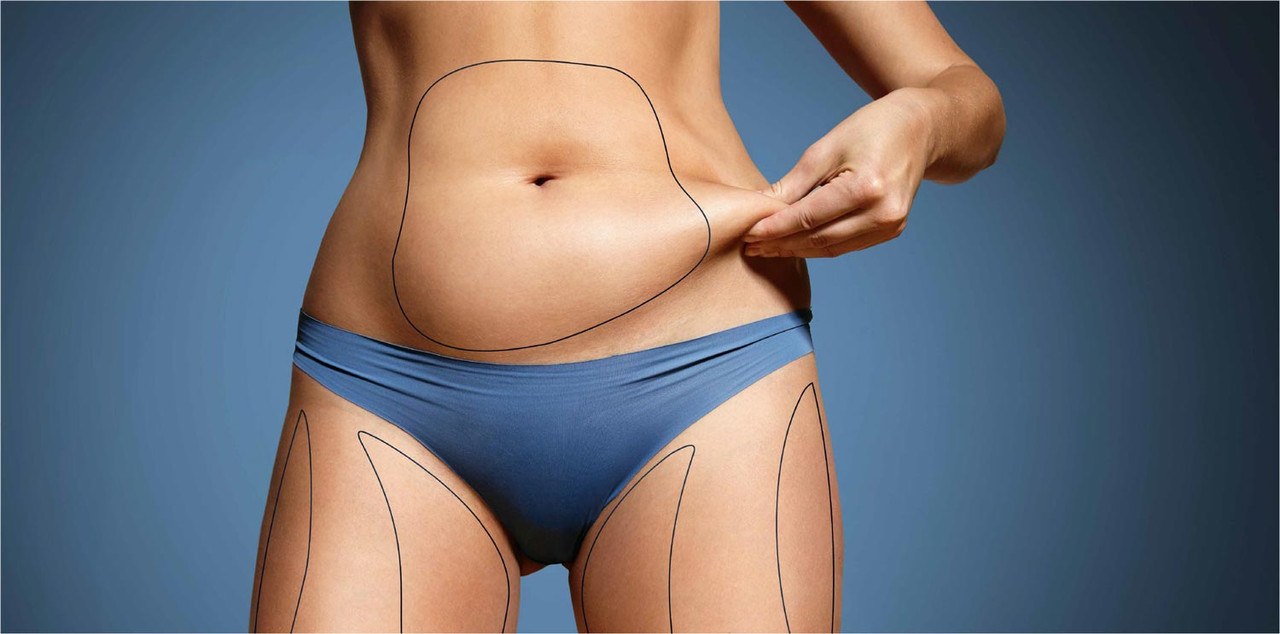
Abdominal changes can occur for several reasons, including pregnancy, significant weight fluctuations, ageing, and natural changes in the body’s connective tissues. For some individuals, these changes involve more than loose skin or stubborn fat. The abdominal muscles may also become separated, creating a condition that affects the appearance and structure of the midsection. Understanding this condition is an important part of preparing for tummy tuck surgery.
Muscle separation, medically known as diastasis recti, is a common concern among people considering abdominal contouring. It occurs when the connective tissue between the two vertical abdominal muscles stretches, allowing them to move farther apart. This can contribute to a protruding abdominal appearance, even when a person maintains a relatively healthy weight.
Patients considering Abdominoplasty dubai should understand how muscle separation influences surgical planning, what happens during muscle repair, and how the condition may affect the final abdominal contour. At Cornerstone Clinic, understanding individual abdominal anatomy is an important part of determining an appropriate treatment approach.
What Is Muscle Separation and Why Does It Occur?
Muscle separation, or diastasis recti, develops when the linea alba, the connective tissue running between the left and right rectus abdominis muscles, becomes stretched and weakened. These muscles normally run vertically along the front of the abdomen and help support the body’s core.
When the connective tissue stretches, the muscles move farther apart, reducing the natural tension and support across the abdominal wall. This may create a visible bulge, particularly when standing, sitting up, or engaging the abdominal muscles.
Several factors can contribute to muscle separation. Pregnancy is one of the most common causes because the growing uterus places increasing pressure on the abdominal wall. Multiple pregnancies may increase the likelihood of developing this condition.
Other contributing factors include significant weight changes, natural ageing, genetic predisposition, and activities that repeatedly increase pressure within the abdomen. However, muscle separation does not occur exclusively in women who have experienced pregnancy. Men and individuals who have never been pregnant can also develop diastasis recti.
How Can Patients Recognise Abdominal Muscle Separation?
Muscle separation does not always produce noticeable symptoms, and its appearance can vary depending on the degree of connective tissue stretching. Some individuals notice a persistent abdominal bulge that does not improve significantly through weight management or exercise.
One common indication is a ridge or dome-shaped appearance along the middle of the abdomen when performing movements such as sitting up from a lying position. This happens because the abdominal muscles cannot maintain their normal position and tension.
Other possible signs include reduced core stability, a feeling of weakness around the midsection, and difficulty maintaining abdominal control during certain physical activities.
Some patients also notice that their stomach appears rounded despite having relatively little excess abdominal fat. This distinction is important because a protruding abdomen may be related to muscle separation rather than fat accumulation alone.
A professional assessment is necessary to determine whether these changes are caused by diastasis recti, excess skin, fat deposits, or a combination of factors.
Why Is Muscle Separation Important Before Abdominoplasty Surgery?
Abdominoplasty is designed to improve abdominal contours by addressing excess skin and, when appropriate, repairing separated abdominal muscles. Understanding the extent of muscle separation helps surgeons determine whether muscle repair should be included in the procedure.
If a patient has loose abdominal skin but no significant muscle separation, the surgical approach may focus primarily on removing excess skin and improving the abdominal profile.
However, when diastasis recti is present, removing loose skin alone may not address the underlying structural concern. The abdominal wall can continue to appear prominent because the muscles remain separated.
For this reason, surgeons assess the condition of the abdominal muscles before recommending a treatment plan. The assessment helps establish whether muscle tightening is appropriate and how it can be incorporated into the overall surgical approach.
For patients researching Abdominoplasty dubai, understanding this distinction is essential because the most suitable procedure depends on individual anatomy rather than simply the amount of loose skin present.
How Do Surgeons Assess the Severity of Muscle Separation?
Before recommending surgery, the surgeon evaluates the abdominal wall to understand the location, width, and extent of muscle separation. The assessment generally includes a physical examination and a review of the patient’s medical and surgical history.
During the examination, patients may be asked to lie down and gently raise their head or shoulders. This movement activates the abdominal muscles and can make the separation easier to identify.
The surgeon may assess:
- The distance between the two rectus abdominis muscles.
- The strength and condition of the connective tissue.
- The presence of abdominal bulging.
- The amount of excess skin and underlying fat.
- The overall condition of the abdominal wall.
- Whether a previous abdominal operation has affected the area.
In certain cases, imaging examinations such as ultrasound may help provide additional information about the abdominal wall.
The findings allow the surgeon to distinguish between muscle separation and other causes of abdominal protrusion. This is particularly important when planning a procedure that aims to improve both abdominal structure and external appearance.
What Happens During Muscle Repair in Abdominoplasty?
When muscle separation is identified and surgical repair is considered appropriate, the surgeon may incorporate a technique known as rectus muscle plication into the abdominoplasty procedure.
During this process, the surgeon brings the separated abdominal muscles closer together and secures the connective tissue using internal sutures. This helps restore tension along the abdominal midline and improves the support of the abdominal wall.
Muscle repair is performed beneath the skin, so the sutures are not generally visible externally. Once the abdominal muscles have been repositioned, the surgeon can address excess skin and refine the abdominal contour as part of the procedure.
The exact technique depends on the patient’s anatomy, the extent of muscle separation, and the overall surgical objectives.
It is important to understand that muscle tightening is not the same as removing abdominal fat. The purpose of muscle repair is to address the structural separation, while other components of abdominoplasty address excess skin and, where appropriate, localised fat deposits.
Does Every Patient Need Muscle Tightening During a Tummy Tuck?
No. Muscle tightening is not automatically required for every individual undergoing abdominoplasty.
Some patients primarily experience loose skin following weight loss or pregnancy, while their abdominal muscles remain relatively close to their normal position. In these situations, muscle repair may not be necessary.
Other individuals may have noticeable diastasis recti that contributes significantly to their abdominal appearance. For these patients, muscle tightening may be an important part of achieving the intended contour.
The decision depends on the surgeon’s assessment rather than the patient’s preference for a tighter-looking stomach alone.
A personalised surgical plan considers the condition of the abdominal muscles, skin elasticity, fat distribution, body proportions, and individual expectations. This approach helps ensure that the selected procedure addresses the actual anatomical concerns.
How Does Muscle Separation Affect the Final Abdominal Contour?
Muscle separation can influence the overall appearance of the abdomen because the abdominal wall provides an important foundation for the midsection.
When the muscles remain separated, the abdomen may retain a rounded or protruding appearance even after excess skin has been removed. This is why identifying the condition before surgery is important.
When muscle repair is appropriate, bringing the separated muscles closer together can help create a firmer and flatter abdominal profile. It may also improve the natural definition of the waistline by restoring tension along the abdominal wall.
However, the final contour depends on several factors, including the patient’s original anatomy, skin quality, fat distribution, and the degree of muscle separation.
It is also important to maintain realistic expectations. Abdominoplasty can improve abdominal contours, but it does not guarantee a perfectly flat stomach or identical results for every patient.
What Should Patients Know About Recovery After Muscle Repair?
Recovery following abdominoplasty with muscle tightening may differ from recovery after a procedure that addresses skin alone. This is because the abdominal wall has undergone additional internal surgical work.
Patients may experience temporary tightness across the abdomen as the repaired tissues begin to heal. Certain movements, particularly those involving the core muscles, may initially feel restricted.
The surgeon provides individual recovery instructions based on the surgical technique and the patient’s progress. These instructions may include guidance on walking, posture, wound care, compression garments, and gradually returning to everyday activities.
Patients should avoid rushing back into strenuous exercise or abdominal workouts. The repaired tissues need sufficient time to heal before the abdominal muscles are subjected to increased physical demands.
Follow-up appointments also allow the surgeon to monitor healing, assess the abdominal contour, and provide guidance about when different activities can be resumed.
Although early improvements may become visible as swelling decreases, the abdominal appearance continues to develop over time as the tissues settle.
Can Exercise Correct Muscle Separation Before Surgery?
Exercise can help improve overall core strength and support abdominal function, but it does not always correct significant muscle separation.
Certain physiotherapy exercises focus on activating the deep abdominal muscles, particularly the transverse abdominis, which plays an important role in core stability. A qualified physiotherapist can recommend suitable movements based on the individual’s condition.
However, exercises that place excessive pressure on the abdominal wall may not be appropriate for everyone with diastasis recti. Activities such as poorly controlled sit-ups or intense abdominal exercises may increase abdominal bulging in some individuals.
Patients should seek professional guidance before beginning a targeted exercise programme.
For individuals with significant separation and persistent abdominal protrusion, exercise alone may not restore the original position of the muscles. In such circumstances, surgical assessment can help determine whether abdominoplasty with muscle repair is a suitable option.
How Does Pregnancy Planning Influence Muscle Repair Decisions?
Future pregnancy plans are an important consideration before undergoing abdominoplasty with muscle tightening.
Pregnancy stretches the abdominal wall as the uterus expands. This can place renewed pressure on the repaired connective tissue and may affect the abdominal contour achieved through surgery.
For this reason, surgeons generally recommend discussing future family plans during the initial consultation. Patients who anticipate another pregnancy may be advised to postpone surgery until their family planning is complete.
Similarly, individuals who are planning significant weight loss should discuss the timing of surgery. Maintaining a relatively stable weight helps provide a more predictable foundation for abdominal contouring.
These considerations allow the surgeon to recommend a treatment timeline that better reflects the patient’s long-term expectations.
Understanding Abdominoplasty Cost in Dubai When Muscle Repair Is Required
The overall cost of abdominoplasty can vary depending on the complexity of the procedure and the individual treatment plan.
When muscle separation is present, the surgical approach may involve additional internal repair alongside the removal of excess skin. This can influence the overall surgical planning and associated costs.
Patients researching Abdominoplasty Cost in dubai should understand that pricing is not determined by muscle separation alone. Several other considerations may contribute to the final treatment estimate.
These may include:
- The extent of abdominal muscle separation.
- The amount of excess skin requiring removal.
- Whether liposuction is included in the procedure.
- The surgical technique selected.
- The complexity of the patient’s abdominal anatomy.
- Hospital, anaesthesia, and follow-up arrangements.
A consultation provides an opportunity to understand which components of surgery are appropriate and what the overall treatment plan involves.
Rather than choosing a procedure based only on its advertised price, patients should consider the surgeon’s assessment, the proposed surgical approach, and the individual requirements of their abdominal anatomy.
Preparing for an Abdominoplasty Consultation at Cornerstone Clinic
A detailed consultation is an important step for anyone considering abdominal contouring. It allows the surgeon to evaluate muscle separation and determine whether muscle tightening should be incorporated into the procedure.
Patients should be prepared to discuss their pregnancy history, previous abdominal surgeries, weight changes, exercise habits, and expectations regarding the final result.
It is also helpful to explain whether the primary concern involves loose skin, abdominal bulging, reduced core support, or a combination of these issues.
At Cornerstone Clinic, an individualised approach helps establish whether abdominoplasty alone or abdominoplasty combined with muscle repair is more appropriate.
The consultation also provides an opportunity to discuss the surgical technique, expected recovery, treatment costs, and realistic outcomes.
Conclusion
Muscle separation is an important consideration for patients planning abdominal contouring because it can affect both abdominal structure and appearance. Diastasis recti may develop following pregnancy, significant weight changes, or natural weakening of the connective tissues. In some individuals, it contributes to persistent abdominal bulging that cannot be addressed through skin removal alone.
Abdominoplasty with muscle repair may help bring separated abdominal muscles closer together, restore tension across the abdominal wall, and improve the overall abdominal contour when clinically appropriate.
For individuals considering Abdominoplasty dubai, understanding the condition before surgery can make treatment planning more informed and realistic. A professional assessment at Cornerstone Clinic can help determine the extent of muscle separation and identify an approach that addresses individual anatomical needs.
Frequently Asked Questions
1. What is muscle separation before abdominoplasty?
Muscle separation, also called diastasis recti, occurs when the connective tissue between the two rectus abdominis muscles stretches. This allows the muscles to move apart and may create a noticeable abdominal bulge.
2. Can abdominoplasty correct separated abdominal muscles?
Yes. When appropriate, abdominoplasty can include muscle repair, also known as rectus muscle plication. The surgeon brings the separated muscles closer together using internal sutures to improve abdominal wall tension.
3. How do I know if I have diastasis recti?
Common signs include a persistent abdominal bulge, a ridge along the middle of the stomach when sitting up, and reduced core stability. A physical examination by a qualified medical professional can help confirm the condition.
4. Does every tummy tuck include muscle repair?
No. Muscle repair is not necessary for every patient. It is generally considered when the surgeon identifies clinically significant muscle separation that contributes to abdominal protrusion or reduced abdominal wall support.
5. Can exercise fix abdominal muscle separation?
Exercise can improve core strength and abdominal function, but it may not completely correct significant muscle separation. A physiotherapist can recommend suitable exercises, while a surgeon can assess whether surgical repair may be appropriate.
6. Is muscle tightening performed during the same surgery as skin removal?
Yes. When muscle repair is indicated, it can generally be performed during the same abdominoplasty procedure. The surgeon repairs the separated connective tissue before completing the skin removal and abdominal contouring.
7. Does muscle separation affect abdominoplasty results?
Yes. Significant muscle separation can contribute to abdominal protrusion. Addressing it during surgery, when appropriate, may help achieve a flatter and more supported abdominal profile.
8. How long does recovery take after abdominoplasty with muscle repair?
Recovery varies according to the surgical technique and individual healing. Patients may experience temporary abdominal tightness and movement restrictions. The surgeon provides guidance about daily activities, exercise, and returning to normal routines.
9. Can muscle separation return after abdominoplasty?
The repaired abdominal wall can be affected by future pregnancy, significant weight fluctuations, and other changes that increase abdominal pressure. Maintaining a stable weight and following postoperative instructions can support long-term results.
10. What factors influence Abdominoplasty Cost in dubai when muscle repair is included?
The cost depends on the extent of muscle separation, the amount of excess skin, whether liposuction is required, surgical complexity, and hospital-related expenses. An individual consultation provides a clearer treatment estimate.
11. Should I wait until I finish having children before undergoing abdominoplasty?
Patients planning future pregnancies are generally advised to discuss postponing surgery with their surgeon. Pregnancy can stretch the abdominal wall again and may affect the results of muscle repair.
12. How can I prepare for an abdominoplasty consultation?
Patients should discuss their medical history, previous pregnancies, weight changes, abdominal concerns, and future plans. Sharing realistic expectations also helps the surgeon recommend an appropriate treatment approach.