
Acne Treatment in Dubai: Why Is Identifying Your Acne Type Important Before Treatment?
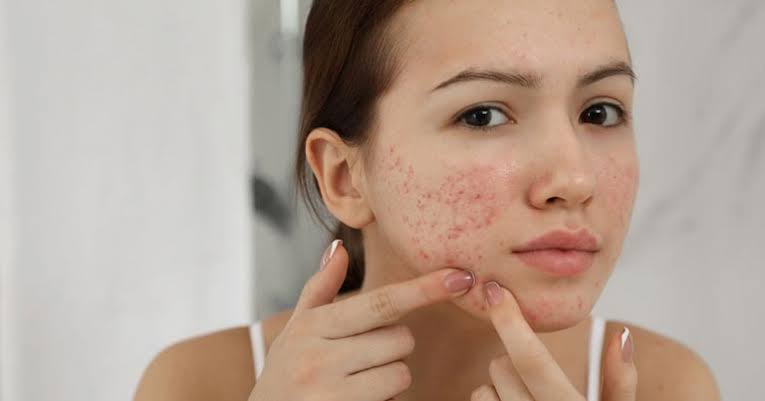
Acne is one of the most common skin concerns, affecting people of different ages and skin types. Although it is often associated with adolescence, adults can also experience persistent breakouts, recurring pimples, clogged pores, and inflammatory acne. However, acne does not look the same in everyone. Some individuals develop small bumps and blackheads, while others experience painful cysts, inflamed pimples, or deep breakouts that can leave marks on the skin. Understanding these differences is an important part of choosing an appropriate treatment.
Before starting any skincare procedure or medical treatment, it is essential to identify the type of acne affecting the skin. Different forms of acne develop for different reasons and may require different approaches to achieve improvement. A treatment that works well for clogged pores may not provide the same results for inflammatory or cystic acne. This is why professional skin assessment plays an important role in developing an effective skincare plan.
For individuals considering Acne Treatment in Dubai, identifying the underlying acne type can help determine which treatments are appropriate, what results may be expected, and how the skin should be cared for throughout the process. Under the guidance of Dr. Camellia Kamyab, patients can receive an individualised assessment based on their skin condition, acne severity, and specific concerns.
Why Is Identifying Your Acne Type Important?
Acne is not a single skin condition with one universal treatment. It includes different types of breakouts that affect the skin in various ways. Identifying the specific type helps a skincare professional understand what is happening beneath the skin’s surface and select a suitable treatment approach.
For example, comedonal acne mainly involves blocked pores, whereas inflammatory acne develops when the surrounding skin becomes irritated and inflamed. Cystic acne involves deeper inflammation and may require a more comprehensive treatment plan.
Recognising these differences helps avoid relying on unsuitable skincare products or treatments. It also allows professionals to consider factors such as skin sensitivity, oil production, existing pigmentation, and the possibility of acne scarring.
An accurate assessment is particularly valuable for individuals who have tried several over-the-counter products without achieving consistent improvement. Rather than repeatedly changing skincare products, identifying the underlying acne type provides a clearer direction for treatment.
What Are the Different Types of Acne?
Understanding the main types of acne makes it easier to recognise why professional evaluation is important. Each type has distinct characteristics and may respond differently to treatment.
1. Comedonal Acne
Comedonal acne develops when pores become blocked with excess oil and dead skin cells. It is generally considered a non-inflammatory form of acne and commonly appears as blackheads and whiteheads.
Whiteheads form when a blocked pore remains closed beneath the skin’s surface. Blackheads develop when the pore remains open and its contents become exposed to air, causing oxidation and a darker appearance.
This type of acne often affects the forehead, nose, and chin, although it can appear in other areas of the face.
Treatment generally focuses on improving pore congestion and supporting normal skin cell turnover. Depending on the individual’s skin condition, a professional may recommend suitable topical products or other treatments designed to reduce blocked pores.
2. Inflammatory Acne
Inflammatory acne occurs when blocked pores become associated with inflammation. It commonly appears as red, swollen pimples that may feel tender when touched.
Papules are small, raised red bumps without visible pus, while pustules are inflamed spots containing a white or yellowish centre.
This form of acne can develop when excess oil, bacteria, and other factors contribute to inflammation within the hair follicles. It may affect the cheeks, forehead, chin, and jawline.
Identifying inflammatory acne is important because the treatment approach needs to address more than simple pore congestion. Depending on its severity, treatment may involve prescription topical products, medications, or professionally recommended procedures.
3. Cystic Acne
Cystic acne is a deeper and more severe form of acne. It develops when inflammation affects deeper layers of the skin, resulting in large, painful bumps beneath the surface.
Unlike ordinary pimples, these breakouts may remain for extended periods and can be difficult to manage with standard skincare products. They commonly appear around the jawline, cheeks, chin, and other areas of the face.
Cystic acne requires careful evaluation because deeper inflammation can contribute to long-lasting changes in skin texture and acne scarring.
A dermatologist may recommend a more structured treatment plan depending on the severity, frequency, and location of the breakouts.
4. Hormonal Acne
Hormonal acne is frequently associated with fluctuations in hormone levels. These changes can influence sebum production, making pores more likely to become blocked.
It commonly appears around the chin, jawline, and lower cheeks. Some individuals notice that breakouts become more frequent during particular stages of their menstrual cycle.
Adults may also experience hormonal acne even if they did not have significant acne during their teenage years.
Recognising this pattern helps professionals consider whether hormonal factors are contributing to the condition. Treatment may involve topical skincare, prescribed medication, or other approaches depending on the individual’s circumstances.
5. Nodular Acne
Nodular acne develops when inflammation occurs deeper within the skin, creating firm, painful lumps beneath the surface. These bumps are generally larger than ordinary pimples and may remain for several weeks.
Unlike superficial breakouts, nodules do not always develop a visible head. Attempting to squeeze or manipulate them can further irritate the surrounding skin.
Because nodular acne can be associated with persistent inflammation, professional assessment is important to determine an appropriate treatment strategy.
How Does Acne Type Influence Treatment Selection?
One of the main reasons acne classification matters is that different breakouts respond to different treatments. A suitable approach should address the characteristics of the acne rather than simply focusing on the visible pimples.
For comedonal acne, treatment may focus on reducing blocked pores and regulating skin cell turnover. Ingredients such as salicylic acid and topical retinoids may be considered depending on the patient’s skin condition and professional recommendations.
Inflammatory acne may require products or medications that help manage inflammation and acne-associated bacteria. In some cases, a dermatologist may recommend prescription treatments alongside an appropriate skincare routine.
For deeper acne, including cystic and nodular forms, treatment may involve prescription medication and closer medical supervision. Standard facial treatments alone may not be sufficient to address deeper inflammation.
Hormonal acne may require an assessment of hormonal patterns and other contributing factors. Depending on the individual, a healthcare professional may consider specific medical options alongside topical skincare.
This is why Best Acne Treatment in Dubai should not be understood as one particular procedure or product. The most appropriate treatment depends on the individual’s acne type, skin condition, medical history, and treatment goals.
What Factors Should Be Considered During an Acne Assessment?
Identifying acne type involves more than looking at individual pimples. A professional assessment considers several aspects of the skin to understand the condition more accurately.
Skin Type and Oil Production
Skin may be oily, dry, combination, or sensitive. People with oily skin may experience increased pore congestion, while individuals with sensitive skin may react more easily to certain skincare ingredients.
Understanding the skin type helps determine which products and treatments are suitable without unnecessarily disrupting the skin barrier.
Acne Severity and Frequency
The number of breakouts, their depth, and how frequently they occur can provide useful information. Occasional blackheads require a different approach from persistent inflammatory acne or recurring deep cysts.
Acne Location
The areas affected by acne can also offer useful clues. Breakouts around the forehead may be associated with pore congestion or skincare and haircare products, while persistent jawline acne may sometimes be linked to hormonal factors.
However, location alone cannot confirm the underlying cause.
Existing Acne Marks and Scarring
Some individuals experience dark spots, redness, uneven texture, or depressed scars after breakouts have healed. These concerns may require additional attention once active acne is being managed.
Distinguishing between active acne and post-acne marks is important because they do not necessarily respond to the same treatments.
Can Using the Wrong Acne Treatment Affect Skin Improvement?
Choosing products without understanding the type of acne can make skincare routines unnecessarily complicated. For example, using several exfoliating products to address every breakout may irritate sensitive skin without resolving the underlying issue.
Similarly, products designed primarily for surface-level congestion may not be sufficient for deeper inflammatory acne.
Another common concern is using too many active ingredients simultaneously. Combining multiple exfoliants, retinoids, and acne treatments without professional guidance can contribute to dryness, irritation, and disruption of the skin barrier.
A more structured approach involves selecting products according to the skin’s needs and introducing active ingredients appropriately. Treatment adjustments may also be necessary as the skin responds.
Professional guidance helps individuals understand which products to use, how frequently to apply them, and when additional treatment may be beneficial.
What Acne Treatment Options May Be Recommended?
The appropriate treatment depends on the acne classification and the individual’s skin condition. A professional may recommend one or a combination of approaches.
Topical Treatments: These products are commonly used to manage mild and moderate acne. Depending on the condition, options may include retinoids, salicylic acid, benzoyl peroxide, or other prescribed ingredients.
Medical Treatments: Some forms of persistent or severe acne may require prescription medication. These treatments are selected according to the patient’s medical history, acne severity, and individual requirements.
Professional Skin Treatments: Certain procedures may be considered to support skin texture, improve congestion, or address post-acne concerns. Their suitability depends on whether active acne is present and the condition of the skin.
Acne Scar Treatments: Once active breakouts are controlled, specific treatments may be considered for residual acne scars and uneven skin texture. The appropriate procedure depends on the type and depth of scarring.
Not every patient needs all these approaches. A personalised plan helps ensure that treatment is focused on the concerns that matter most.
How Can Patients Support Their Acne Treatment Results?
Professional treatment is only one part of managing acne. Consistent skincare habits can also support the skin throughout the process.
A gentle cleanser can help remove excess oil, dirt, and impurities without excessively drying the skin. Using a suitable moisturiser is equally important because acne-prone skin still requires hydration.
Daily sunscreen application helps protect the skin from ultraviolet exposure, which can make post-acne dark spots more noticeable. Individuals using certain acne medications or exfoliating ingredients should be particularly mindful of sun protection.
It is also helpful to avoid frequently touching or squeezing pimples, as this can increase irritation and contribute to post-acne marks.
Patients should follow the recommended treatment schedule and allow sufficient time for their skin to respond. Acne improvement is generally gradual, and treatment may need adjustments based on the results.
Why Choose a Personalised Acne Treatment Approach in Dubai?
Dubai’s climate, environmental conditions, and individual lifestyle factors can influence how the skin behaves. Heat, humidity, perspiration, and frequent exposure to sunlight may affect skincare needs, particularly for individuals with oily or acne-prone skin.
This makes it important to choose a treatment approach that considers both the acne condition and the individual’s everyday skincare requirements.
Under the care of Dr. Camellia Kamyab, patients can have their skin concerns evaluated to determine the nature of their acne and explore appropriate treatment options.
A personalised assessment can help distinguish between different acne types, identify contributing factors, and establish realistic treatment expectations. It also provides an opportunity to discuss existing skincare habits and concerns such as persistent breakouts, pigmentation, and uneven skin texture.
Rather than following a general skincare trend, patients can work towards a treatment plan based on their individual skin needs.
Conclusion
Identifying your acne type before starting treatment is an important step towards achieving clearer and healthier-looking skin. Comedonal, inflammatory, cystic, hormonal, and nodular acne have different characteristics and may require different treatment approaches. Understanding these differences helps ensure that skincare products, medications, and professional procedures are selected according to the actual condition of the skin.
Choosing an appropriate treatment also involves considering skin type, acne severity, breakout patterns, and existing post-acne concerns. With professional assessment and a consistent skincare routine, patients can work towards managing breakouts and improving overall skin quality.
For individuals exploring Acne Treatment in Dubai, consulting Dr. Camellia Kamyab can help identify their specific skin concerns and determine a suitable treatment plan. The first step towards more effective acne management is understanding what type of acne you have and what your skin actually needs.
Frequently Asked Questions (FAQs)
1. Why is identifying your acne type important before treatment?
Identifying acne type helps determine the most appropriate treatment approach. Different forms of acne, including blackheads, inflammatory pimples, and deep cysts, may require different skincare products, medications, or professional procedures.
2. What are the most common types of acne?
The most common types include comedonal acne, inflammatory acne, cystic acne, hormonal acne, and nodular acne. Each type has different characteristics and may affect the skin in different ways.
3. Can different acne types occur at the same time?
Yes. Some individuals experience multiple forms of acne simultaneously. For example, a person may have blackheads and whiteheads alongside inflammatory pimples. A professional assessment helps determine the appropriate approach for each concern.
4. Is hormonal acne different from regular acne?
Hormonal acne is associated with hormonal fluctuations that can increase oil production and contribute to blocked pores. It commonly affects the chin, jawline, and lower cheeks, although its appearance varies between individuals.
5. Can acne treatment improve dark spots left by pimples?
Some treatments can help improve post-acne pigmentation. However, dark spots and active acne are different concerns and may require separate approaches. A professional can recommend suitable options based on the skin’s condition.
6. How long does acne treatment take to show results?
The timeline depends on the type and severity of acne, the treatment selected, and individual skin response. Some people notice gradual improvement within several weeks, while persistent or deeper acne may require a longer treatment plan.
7. Can oily skin be the only cause of acne?
No. Excess oil can contribute to blocked pores, but acne can also involve dead skin cell accumulation, inflammation, hormonal changes, and other contributing factors. Oily skin alone does not explain every acne concern.
8. Should I stop using skincare products before an acne consultation?
You do not necessarily need to stop your entire skincare routine. However, it is helpful to share the products and active ingredients you currently use with your skincare professional. This information can help guide the assessment and treatment recommendations.
9. Is professional acne treatment suitable for adults?
Yes. Acne can affect adults as well as teenagers. Adult acne may be associated with hormonal changes, skincare habits, and other contributing factors. Treatment should be selected according to the individual’s skin condition.
10. Where can I get a personalised acne assessment in Dubai?
Individuals experiencing persistent breakouts, clogged pores, or inflammatory acne can consult Dr. Camellia Kamyab to discuss their skin concerns. A professional assessment can help identify the acne type and determine suitable options for Acne Treatment in Dubai.