
Blepharoplasty Dubai: How Are Upper and Lower Eyelid Concerns Assessed?
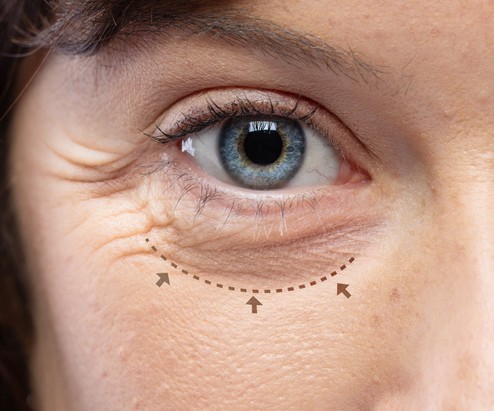
The eyes are one of the most noticeable features of the face, and changes around the eyelids can influence the overall appearance of the face. Upper eyelid concerns may include excess or drooping skin, while lower eyelid concerns can involve under-eye bags, puffiness, or changes in the skin and underlying tissues. Because the anatomy of the upper and lower eyelids is different, each area needs to be assessed individually before treatment is planned.
For people considering Blepharoplasty Dubai, the consultation is an important stage of the process. The surgeon evaluates the patient’s eye area, skin condition, facial anatomy, eye health, and personal treatment goals before discussing an appropriate surgical approach. Cornerstone Clinic describes blepharoplasty as a procedure that can address the upper eyelids, lower eyelids, or both, depending on the patient’s individual concerns.
A detailed assessment also helps distinguish between concerns caused primarily by excess skin, changes in fat around the eyes, or a combination of factors. Understanding this assessment process can help patients know what to expect during their consultation at Cornerstone Clinic.
Why Are Upper and Lower Eyelids Assessed Separately?
Although the upper and lower eyelids form part of the same eye area, their anatomy and common cosmetic concerns are different.
The upper eyelid can develop excess skin that creates a heavier or more hooded appearance. In some cases, excess upper eyelid skin can also affect the field of vision. The lower eyelid is more commonly associated with under-eye bags and puffiness caused by changes in the tissues surrounding the eye.
Because these concerns have different anatomical characteristics, the surgeon needs to determine which eyelid areas require attention rather than automatically treating the entire eye region.
Some patients may need upper blepharoplasty, others may be suitable for lower blepharoplasty, and some may have concerns involving both areas.
What Happens During a Blepharoplasty Consultation?
The consultation generally begins with a discussion about the patient’s concerns and desired changes. The surgeon then examines the eyelids and surrounding facial structures.
Cornerstone Clinic states that its blepharoplasty consultation includes an assessment of overall eye health, skin condition, facial anatomy, and the patient’s goals and expectations. The surgeon can then explain the techniques that may be appropriate for the individual’s concerns.
The assessment is not limited to looking at the eyelids from one angle. The surgeon can observe the eye area from different perspectives and compare the left and right sides to understand the patient’s natural anatomy.
This information provides the basis for creating an individual treatment plan.
How Are Upper Eyelid Concerns Evaluated?
Upper eyelid assessment focuses on several characteristics, particularly the amount and position of excess skin.
The surgeon may examine the upper eyelid crease, the amount of visible eyelid space, the position of the brow, and the relationship between the eyelid and surrounding facial structures. The amount of skin extending over the natural eyelid crease is also considered.
Cornerstone Clinic explains that upper blepharoplasty focuses on excess skin of the upper eyelids and that drooping skin can sometimes interfere with vision.
The assessment helps establish whether the patient’s concern is primarily related to excess skin or whether other anatomical features also need to be considered.
How Does Excess Upper Eyelid Skin Affect Treatment Planning?
Excess upper eyelid skin can create a hooded appearance. Depending on its amount and position, it may also make the eyelid feel heavier or reduce the visible eyelid area.
During the assessment, the surgeon evaluates how much excess skin is present and where it is located. This allows the planned treatment to be tailored to the individual’s anatomy.
Cornerstone Clinic describes upper eyelid surgery as involving an incision along the natural crease of the upper eyelid, followed by removal of excess skin where appropriate.
The natural crease is an important anatomical landmark because it provides a location where the incision can follow an existing eyelid contour.
How Is the Upper Eyelid Crease Considered?
The upper eyelid crease varies naturally between individuals. Its height, shape, and visibility can influence the appearance of the eyes.
During consultation, the surgeon can examine the existing crease and assess how excess skin relates to it. The proposed treatment can then be planned around the patient’s natural eyelid anatomy.
The objective of the assessment is not simply to determine how much skin is present. It is also to understand how the skin, eyelid crease, brow, and surrounding facial structures interact.
This detailed examination helps guide the design of the upper eyelid procedure.
Why Is Brow Position Considered During Upper Eyelid Assessment?
The eyebrows and upper eyelids are closely related. A change in brow position can influence how much skin appears to cover the upper eyelid.
For this reason, the surgeon may examine the brow position as part of the overall facial assessment. This helps distinguish between concerns associated primarily with upper eyelid skin and those influenced by the position of surrounding structures.
Considering the brow and eyelid together allows the surgeon to develop a more complete understanding of the patient’s appearance rather than examining the upper eyelid in isolation.
How Are Lower Eyelid Concerns Assessed?
Lower eyelid assessment focuses on features such as under-eye bags, puffiness, skin quality, and the relationship between the lower eyelid and cheek.
Cornerstone Clinic explains that lower blepharoplasty can address prominent lower eyelid bags and that treatment may involve excess skin and small fatty deposits, depending on the patient’s individual presentation.
The surgeon examines where the fullness is located and whether excess skin contributes to the appearance.
This distinction is important because not every patient with under-eye bags has the same anatomical characteristics.
How Does Under-Eye Fat Influence Lower Eyelid Planning?
Fat naturally exists around the eye and contributes to the structure and protection of the eyeball. Changes in the tissues supporting this fat can make it more prominent beneath the lower eyelid.
Cornerstone Clinic describes protruding lower eyelid fat as one of the features that may be addressed during lower eyelid surgery.
During consultation, the surgeon assesses the location and prominence of the under-eye fullness and determines whether it is primarily related to fatty tissue, skin, or a combination of features.
This anatomical evaluation helps determine the appropriate lower eyelid approach.
How Is Lower Eyelid Skin Evaluated?
The condition of the lower eyelid skin is another important part of the assessment. The surgeon can examine whether the skin is smooth, loose, folded, or affected by visible changes associated with ageing.
Cornerstone Clinic notes that lower eyelid surgery may involve removing excess skin, while fatty deposits can also be addressed where appropriate.
The amount and location of excess skin influence how the treatment is planned.
A detailed assessment therefore helps establish whether the lower eyelid procedure should focus primarily on skin, underlying fullness, or both.
How Does Facial Anatomy Influence Blepharoplasty Planning?
The eyelids are part of a larger facial structure. Their appearance is influenced by the forehead, eyebrows, cheeks, nose, and the shape of the eye socket.
During consultation, the surgeon assesses the face as a whole. Cornerstone Clinic specifically describes facial anatomy as one of the factors considered during a blepharoplasty assessment.
This broader evaluation is important because an eyelid concern may look different depending on the surrounding facial proportions.
The surgeon can therefore consider how the proposed eyelid changes fit within the patient’s overall facial structure.
Why Is Eye Health Checked Before Blepharoplasty?
Before planning cosmetic eyelid surgery, the surgeon needs to understand the patient’s general eye health.
The consultation may include questions about previous eye procedures, existing eye conditions, vision concerns, and other relevant aspects of the patient’s medical history.
Cornerstone Clinic states that overall eye health is assessed during its initial blepharoplasty consultation.
This information provides important context for treatment planning and helps the surgeon understand the patient’s individual circumstances before selecting a surgical approach.
How Is Eyelid Symmetry Assessed?
Natural facial asymmetry is common, and the two eyelids may not be exactly identical before treatment.
The surgeon can compare the upper and lower eyelids on both sides, looking at differences in skin, eyelid position, fullness, crease height, and surrounding facial anatomy.
Recognising these differences before surgery is important because the existing asymmetry forms part of the patient’s baseline anatomy.
The surgeon can then explain how the individual features may influence the treatment plan.
How Are Patient Goals Incorporated Into the Assessment?
A medical and anatomical assessment provides important information, but the patient’s concerns are also central to treatment planning.
Some people may primarily want to address heavy upper eyelids, while others may be more concerned about under-eye bags. Some patients may have concerns affecting both areas.
During consultation, patients can describe the changes they have noticed and explain their preferred aesthetic outcome. Cornerstone Clinic states that discussing goals and expectations is an important part of the initial blepharoplasty consultation.
The surgeon can then explain which anatomical features correspond with the patient’s concerns and which techniques may be suitable.
When Are Both Upper and Lower Eyelids Treated?
Some patients have concerns affecting both the upper and lower eyelids. In these situations, upper and lower blepharoplasty may be considered as part of one treatment plan.
Cornerstone Clinic explains that patients may undergo upper eyelid surgery, lower eyelid surgery, or a combination of both depending on their individual needs.
The decision is based on the patient’s anatomy and treatment objectives rather than simply treating both areas as a standard procedure.
During consultation, the surgeon can assess each eyelid separately and then determine whether combining the procedures is appropriate.
How Does the Upper Eyelid Procedure Address Skin?
When excess upper eyelid skin is the main concern, the surgical plan can focus on removing an appropriate amount of the excess tissue.
Cornerstone Clinic describes an incision along the upper eyelid crease, followed by removal of excess skin and closure using fine stitches.
The natural crease is considered when planning the incision because it corresponds with the existing anatomy of the eyelid.
The amount of skin addressed is determined during the preoperative assessment rather than being identical for every patient.
How Does the Lower Eyelid Procedure Address Under-Eye Concerns?
The lower eyelid approach depends on the anatomical features identified during consultation.
Cornerstone Clinic describes an incision just below the lower lash line for its lower eyelid procedure. Depending on the individual case, the procedure may address excess skin, small fatty deposits, or both.
The surgeon’s assessment therefore determines which tissues require attention.
This personalised approach is particularly relevant for patients whose under-eye concerns involve several different anatomical features.
How Does the Assessment Help Select the Surgical Technique?
There is no single approach that is appropriate for every eyelid concern. The technique depends on the location of excess skin, the prominence of under-eye fullness, eyelid anatomy, facial structure, and the patient’s objectives.
Cornerstone Clinic describes several forms of blepharoplasty, including upper, lower, and combined upper-and-lower procedures.
By evaluating each anatomical feature during consultation, the surgeon can determine which approach corresponds most closely with the patient’s requirements.
This makes the consultation an important part of the overall treatment process.
How Long Does Blepharoplasty Take?
The duration depends on whether the upper eyelids, lower eyelids, or both are treated.
Cornerstone Clinic states that the procedure generally takes approximately 45 minutes to 1.5 hours depending on the areas being treated.
The consultation and planning process take place separately and are used to establish the appropriate surgical approach before the procedure.
What Factors Can Affect Blepharoplasty Cost in Dubai?
The Blepharoplasty Cost in Dubai can vary because each patient’s treatment plan is different.
Factors that may influence the cost include whether upper eyelids, lower eyelids, or both are treated, the surgical technique selected, the extent of the treatment, and the individual requirements identified during consultation.
For this reason, an exact cost is best discussed after the surgeon has assessed the eyelids and established the proposed treatment plan.
The anatomical assessment provides the information needed to determine the scope of the procedure before the associated costs can be discussed in detail.
Why Is a Personalised Assessment Important?
Upper and lower eyelid concerns can look similar from a distance but have different anatomical causes. For example, one patient may have predominantly excess upper eyelid skin, while another may have lower eyelid fullness caused by prominent fat.
A personalised assessment allows these differences to be identified.
For patients researching Blepharoplasty Dubai, this means the consultation is more than a discussion about cosmetic preferences. It is an opportunity for the surgeon to evaluate the eyelid anatomy, eye health, facial structure, and treatment objectives before creating an individual plan.
What Should Patients Discuss During Their Consultation?
Patients can discuss what they notice about their upper and lower eyelids, when they first noticed the changes, and what they would like to improve.
It can also be useful to mention previous eye procedures, relevant medical history, current medications, and any concerns involving vision or eye comfort.
The surgeon can then combine this information with the physical examination to determine the most appropriate treatment approach.
Cornerstone Clinic recommends discussing goals and expectations during the consultation so that the treatment can be tailored to the patient’s individual needs.
Conclusion
Assessing upper and lower eyelid concerns requires a detailed understanding of the anatomy surrounding the eyes. Upper eyelid evaluation may focus on excess skin, eyelid crease, brow position, and the relationship between the upper eyelid and surrounding facial structures. Lower eyelid assessment may concentrate on under-eye bags, fatty deposits, skin quality, and the transition between the eyelid and cheek.
For patients considering Blepharoplasty Dubai, the consultation provides an opportunity to understand which anatomical features are contributing to their concerns. Cornerstone Clinic states that eye health, skin condition, facial anatomy, goals, and expectations are considered before an appropriate technique is selected.
Upper blepharoplasty, lower blepharoplasty, or a combination of both may be considered depending on the individual assessment. The resulting treatment plan can then be tailored to the patient’s anatomy rather than applying a standard approach to every patient.
Understanding this process can help patients approach their consultation with a clearer idea of why both the upper and lower eyelids need careful evaluation before treatment.
FAQs
What is blepharoplasty?
Blepharoplasty is eyelid surgery designed to address concerns involving the upper eyelids, lower eyelids, or both. Depending on the individual case, treatment may address excess skin and lower eyelid fullness.
How are upper eyelid concerns assessed?
The surgeon examines the amount and position of excess skin, the natural eyelid crease, brow position, facial anatomy, and the patient’s individual concerns. Eye health is also considered during the consultation.
How are lower eyelid concerns assessed?
The surgeon evaluates under-eye bags, fatty deposits, skin quality, eyelid position, and the relationship between the lower eyelid and surrounding facial structures.
Can upper and lower blepharoplasty be performed together?
Yes. Cornerstone Clinic explains that patients may undergo upper eyelid surgery, lower eyelid surgery, or both depending on their individual needs and treatment plan.
Why is eye health checked before blepharoplasty?
Eye health forms part of the overall assessment and provides the surgeon with relevant information about the patient’s eyes before treatment is planned. Cornerstone Clinic specifically includes overall eye health in its consultation assessment.
Does excess upper eyelid skin affect vision?
In some patients, substantial upper eyelid skin can interfere with the field of vision. Cornerstone Clinic notes that this can be one reason patients seek upper blepharoplasty.
What causes lower eyelid bags?
Lower eyelid bags can be associated with changes in the tissues supporting the fat around the eye, as well as individual and age-related anatomical characteristics. Cornerstone Clinic identifies protruding lower eyelid fat as one feature that may be addressed during lower eyelid surgery.
Does the surgeon examine both eyes before surgery?
Yes. Assessing both sides allows the surgeon to understand natural differences in eyelid position, skin, fullness, and facial symmetry before developing the treatment plan.
How is the upper eyelid incision positioned?
Cornerstone Clinic describes an incision along the natural crease of the upper eyelid for its upper blepharoplasty approach.
How is the lower eyelid incision positioned?
Cornerstone Clinic describes an incision just below the lower lash line for its lower eyelid surgical approach. The specific technique is determined according to the patient’s anatomy and treatment requirements.
Does facial anatomy affect blepharoplasty planning?
Yes. Facial anatomy is one of the factors assessed during a Cornerstone Clinic blepharoplasty consultation. The surgeon considers the eyelids as part of the overall facial structure when developing an individual treatment plan.
What is the Blepharoplasty Cost in Dubai?
The Blepharoplasty Cost in Dubai varies according to the treatment required. Factors may include whether the upper eyelids, lower eyelids, or both are treated, as well as the technique and individual scope of the procedure. A consultation is needed to determine the treatment plan and associated cost.
How long does blepharoplasty surgery take?
Cornerstone Clinic states that the procedure generally takes between approximately 45 minutes and 1.5 hours, depending on whether upper eyelids, lower eyelids, or both are treated.
Is there a specific age for blepharoplasty?
There is no single age that applies to everyone. Cornerstone Clinic explains that the timing of treatment varies according to individual ageing patterns, genetics, concerns, and goals.
How do I know whether I need upper or lower blepharoplasty?
The appropriate procedure depends on the anatomical features causing your concerns. A consultation allows the surgeon to assess the upper and lower eyelids separately and determine whether upper, lower, or combined treatment is appropriate.
Why is a consultation important before Blepharoplasty Dubai?
A consultation allows the surgeon to assess eye health, eyelid anatomy, skin condition, facial structure, and personal goals. These findings are used to create an individualised treatment plan rather than applying the same procedure to every patient.